
Göreme Open Air Museum brings a dense group of rock-cut churches, chapels, monastic spaces, and Byzantine wall paintings together in one compact Cappadocia site.
This guide explains what to prioritize, how long to allow, and how to handle tickets, terrain, crowds, and photography rules. A Turkey eSIM can help with current opening details, transport, and digital bookings.
The site is historically important but physically uneven, and access arrangements can change. Check official information shortly before visiting and follow instructions posted at each church.
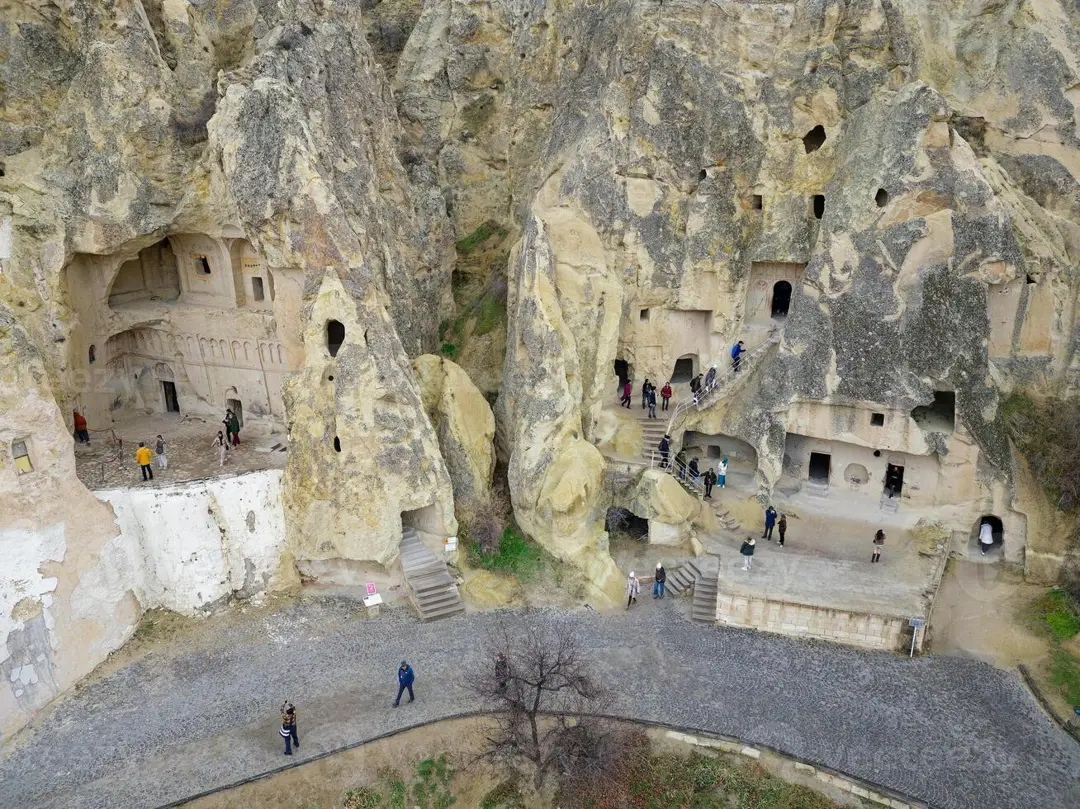
Why Göreme Open Air Museum Matters
Like Italy, Göreme belongs to the Mediterranean cultural sphere and shares deep historical ties regarding early Christian art, Byzantine traditions, and religious architecture.
If you have visited the museums of Florence—renowned for their Renaissance art—you will find that the two offer vastly different museum experiences.
Unlike the museums in Florence, which center on their collections of artifacts, Göreme is an open-air museum built around authentic historical sites; here, visitors can step directly into churches, view frescoes, explore monks' quarters, and immerse themselves in the surrounding rock landscapes.
UNESCO describes the area’s rock-hewn sanctuaries as exceptional evidence of post-Iconoclastic Byzantine art and its long history of settlement.
Visitors move through churches, chapels, refectories, and living spaces carved by removing material from soft volcanic rock. The most rewarding approach is to notice how architecture, painted narratives, light, and daily monastic life fit together.
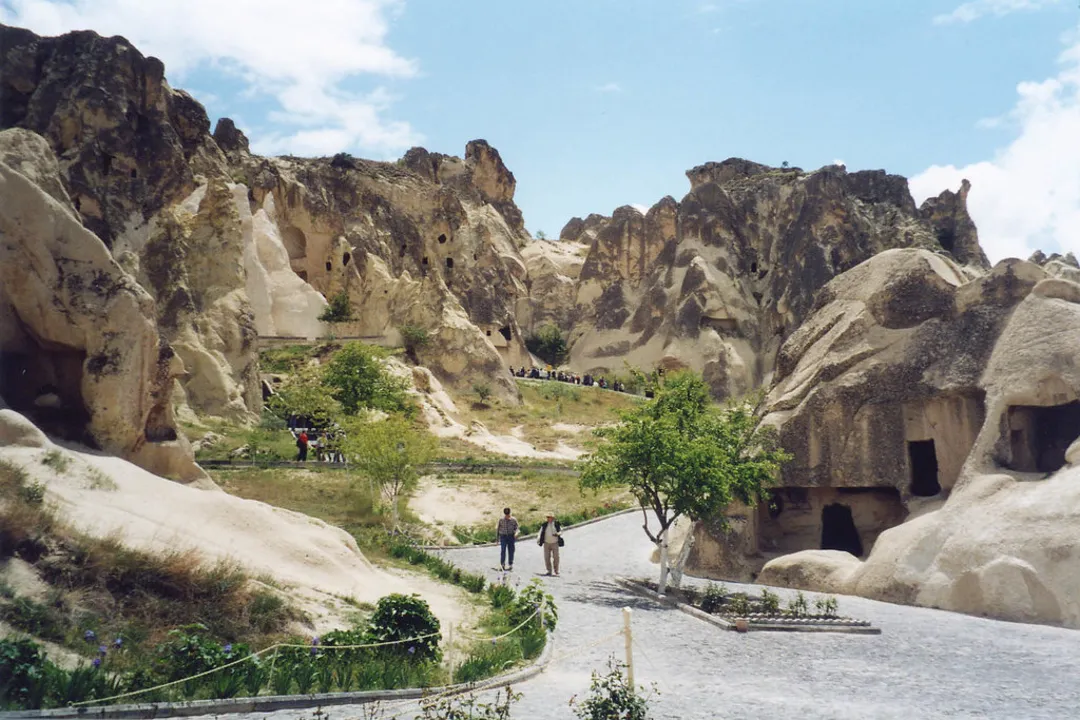
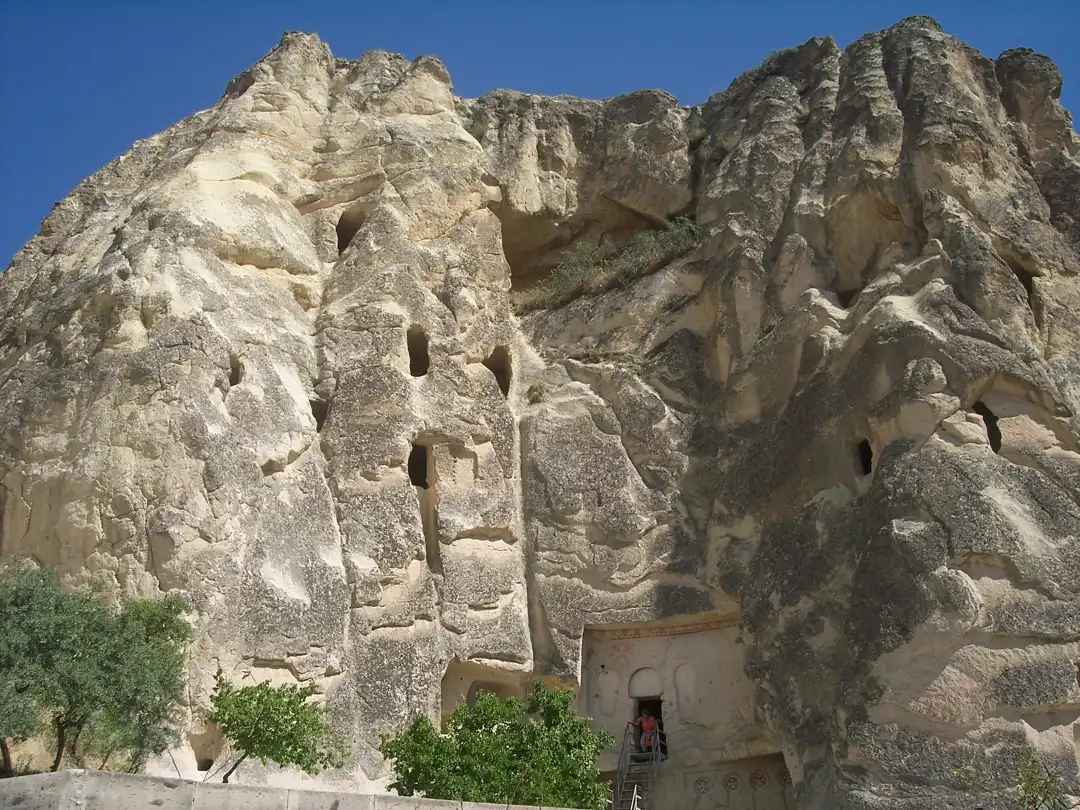
The surrounding valleys also matter. Erosion formed cones, ridges, and pinnacles, while communities adapted those shapes into places of worship and daily life over centuries.
Expect layers rather than one frozen historical moment. Different rooms reflect changing uses, construction phases, painting techniques, and conservation histories, so dates and names should be read from the official labels for each space.
The official UNESCO World Heritage profile emphasizes the relationship between human-made spaces and Cappadocia’s erosion-shaped landscape. That combination makes the museum more than a collection of decorated interiors.
Plan Your Visit
Allow roughly two to three hours for the main route, more if you read every panel or wait for busy interiors. Arriving near opening time usually gives you cooler conditions and more space on narrow paths.
Planning point | Practical guidance |
|---|---|
Location | About 1.5 kilometers from central Göreme; walk, take a taxi, or use a tour transfer |
Time needed | About 2–3 hours for most first visits |
Terrain | Cobbles, slopes, stairs, low doorways, and uneven rock surfaces |
Best arrival | Near opening time for fewer queues and cooler walking conditions |
What to carry | Water, sun protection, secure footwear, and a light layer in cooler months |
Current Hours and Official Details
The official Göreme museum page is the source for current opening windows, night-museum availability, and operational notices. These details can change seasonally or appear dynamically, so confirm the closing time on the day of your visit.
Hours, night opening, ticket categories, and church access may change seasonally or operationally. Confirm them on the official page on the day of your visit rather than relying on an old screenshot or third-party price list.
Tickets and Payment
Buy through an authorized channel or at the entrance, and check whether any special interior requires separate admission. The current MüzeKart terms state that the pass is not valid for the Dark Church, which requires a separate ticket.
Cash and local payments
Higher-value museum tickets are generally suitable for card payment, while taxis and small local purchases can be easier with cash. Keep payment methods separate so one lost wallet does not stop the day.
Carrying a small amount of cash can help with local transport or minor purchases. Review the Turkish lira guide before deciding how much to withdraw.
Essential Churches and Spaces
Do not rush to count every doorway. Focus on the official route’s named churches and on the differences in plan, decoration, and function that reveal how the complex developed.
The official route identifies Tokalı, Elmalı, Saint Barbara, Yılanlı, Karanlık, and Çarıklı among the principal places to see, but temporary closures can change the order available on the day.
Use a simple viewing sequence
Start with the principal church that has the shortest safe queue, but protect time for the Dark Church and Tokalı. Follow posted arrows and staff directions instead of backtracking through a narrow doorway to match an online checklist.
Read each label before entering, then choose one feature to follow: the building plan, painted narrative, color, or monastic function. This keeps the visit focused and reduces time spent blocking small interiors.
Dark Church (Karanlık Kilise)
The Dark Church is prized for the intensity and preservation of its painted scenes. Limited natural light helped protect the decoration, but the interior can be busy and may have separate ticket arrangements.
Slow down once inside and look across the vaults and walls rather than concentrating on a single panel. Follow all photography restrictions, because bright light and crowding can threaten fragile surfaces.
Apple Church (Elmalı Kilise)
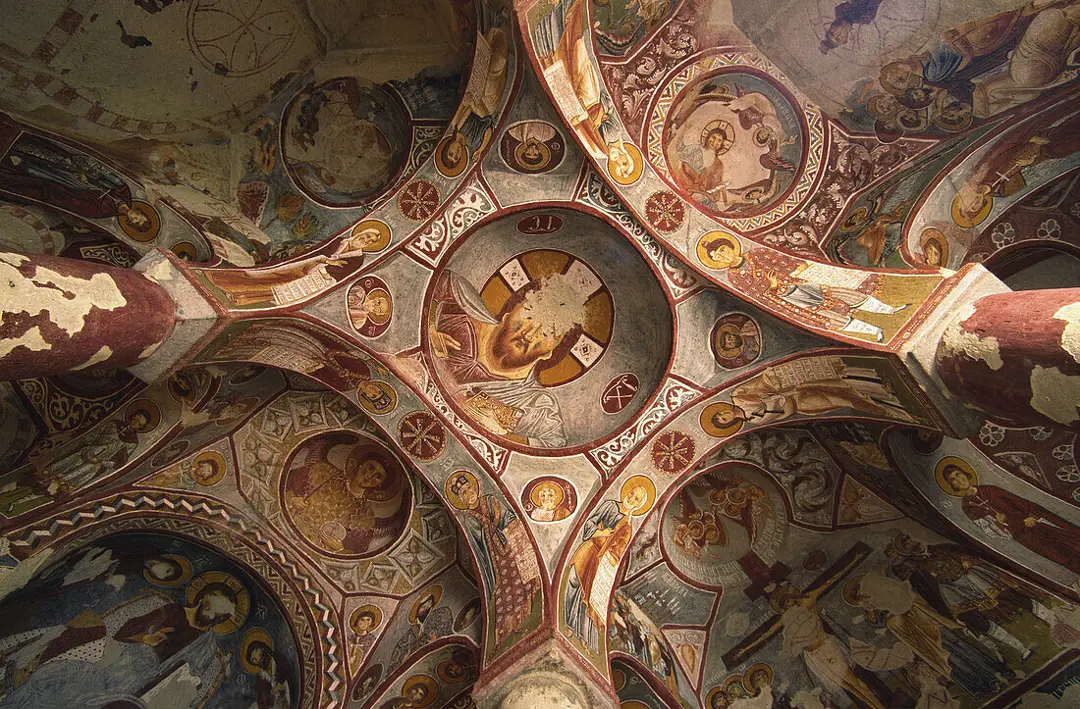
Elmalı Kilise is a compact cross-in-square church whose painted program rewards a careful circuit. Its name has several traditional explanations, so treat simple origin stories as interpretations rather than settled fact.
Notice how figures and narrative scenes are fitted into domes, arches, and curved rock surfaces. The architecture determines how the images unfold as a visitor turns through the space.
Tokalı Church (Tokalı Kilise)
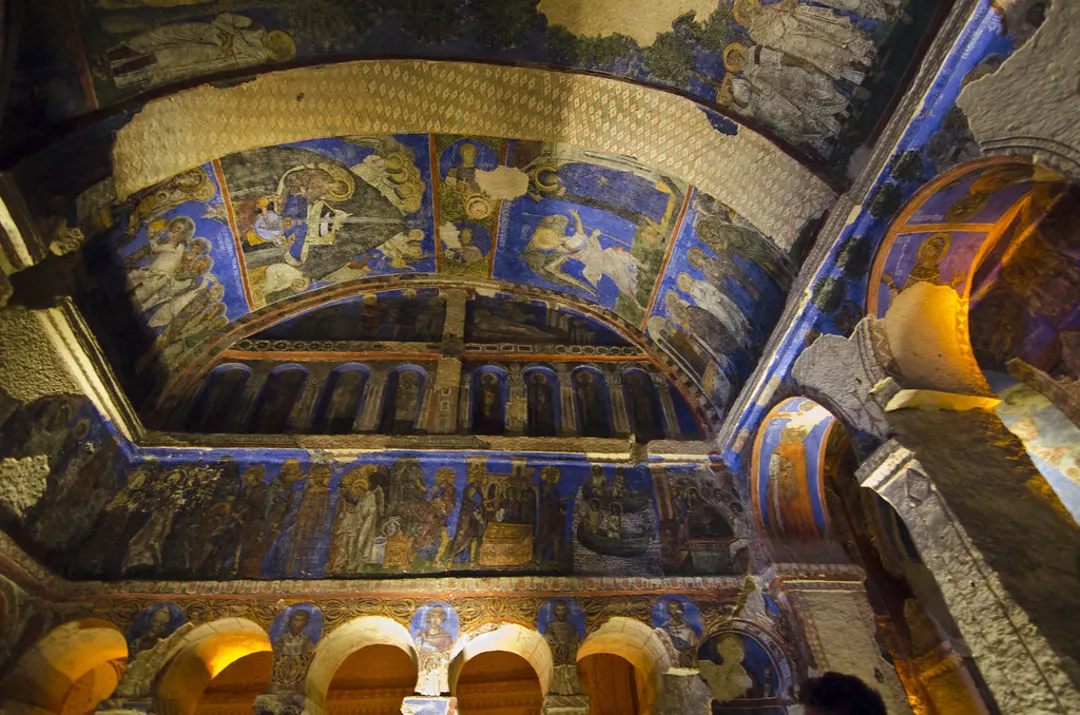
Tokalı Church lies outside the museum’s main cluster near the approach road and is easy to miss when visitors leave quickly. Its extensive narrative painting and strong blue fields make it one of the route’s major artistic highlights.
Ask staff about current access and include time for it before departing. Its location and entry arrangements can make it feel separate even when it is associated with the museum visit.
Saint Barbara and Snake Churches
Saint Barbara Church is notable for its red-painted geometric, military, and symbolic designs. Snake Church, or Yılanlı Kilise, contains a group of saintly figures and the scene that inspired its popular name.
These smaller interiors are useful for comparing different decorative approaches. Read the on-site labels before entering, then look for the specific motifs rather than treating every wall painting as part of one continuous story.
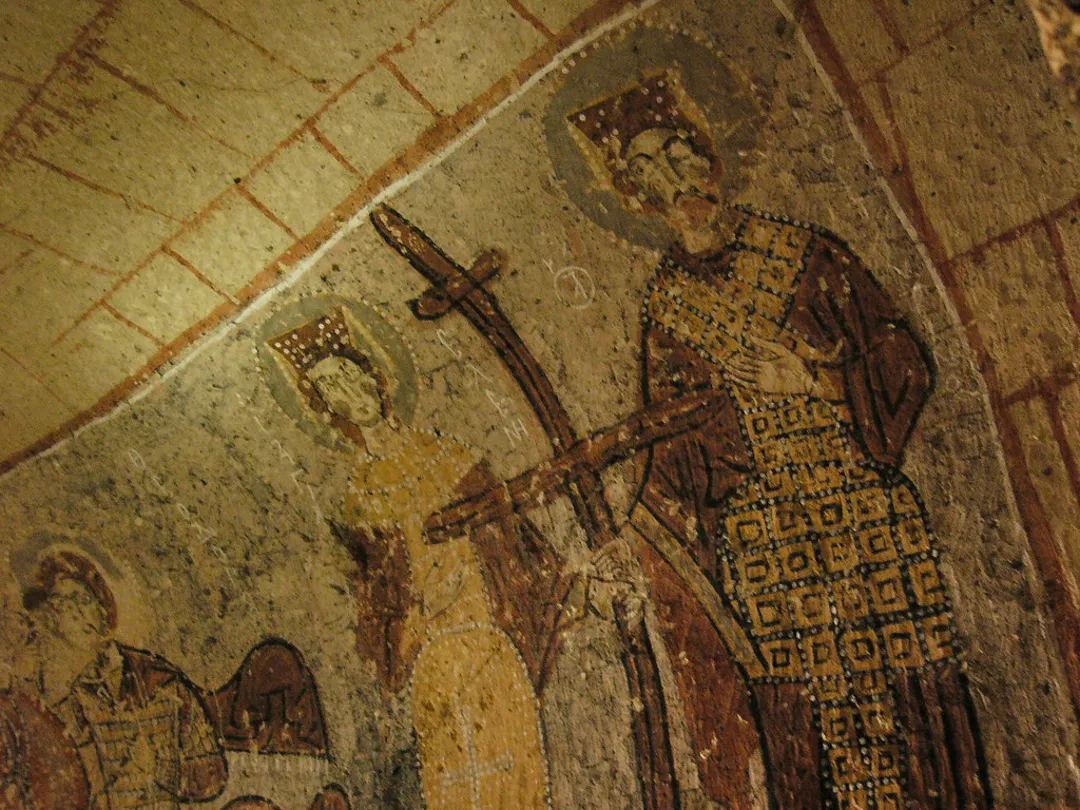
Nunnery, Monastery, and Refectory
The living and communal spaces show that Göreme was not only a gallery of churches. Multi-level rooms, kitchens, storage areas, and a refectory help visitors picture the practical organization of monastic life.
Access to upper levels can be limited, and narrow passages may create queues. Even when a room is closed, exterior openings and carved circulation routes still reveal how the complex used the rock vertically.
Visit Comfortably and Respectfully
Wear shoes with dependable grip and keep both hands free on steps. The combination of cobbles, smooth rock, tight doorways, and elevation changes can be tiring even though the overall site is compact.
Photography rules vary by space, and some painted interiors prohibit it. Never use flash where it is forbidden, touch painted surfaces, lean on carved walls, or block a narrow entrance for a photo.
Visitors with limited mobility should contact the museum before arrival. Some exterior areas may be approachable, but stairs, uneven paths, and small rock-cut rooms prevent the entire route from being fully step-free.
Keep Essential Details Available
Save the official museum page, ticket confirmation, accommodation address, and return transport offline. The iRoamly travel eSIM site can help compare connectivity before departure.
Connectivity is useful, but it should not replace a basic backup plan. Screenshot opening information and know how you will return to Göreme if mobile service or a payment app fails.
Fit the Museum Into Cappadocia
Do not schedule the museum immediately after an uncertain balloon landing or before a tight airport transfer. A calm morning or afternoon block leaves room for queues and lets you absorb the art without watching the clock.
Trip length | Balanced approach |
|---|---|
1 day | Museum plus one valley walk or viewpoint |
2 days | Add an underground city or Avanos |
3–4 days | Include a longer hike, craft stop, and weather buffer |
Build a Regional Itinerary
A complete Cappadocia Turkey guide can help connect the museum with valleys, underground cities, Uçhisar, Avanos, and transport between Göreme and the regional airports.
Pair the museum with one contrasting experience rather than another dense site list. A valley walk, viewpoint, pottery workshop, or underground city gives the day a clearer rhythm.
Continue a Wider Turkey Trip
If Cappadocia is one stop in a longer route, use a guide to the places to visit in Turkey to balance central Anatolia with Istanbul, the Aegean, or the Mediterranean coast.
Leave transfer time between regions and avoid adding a distant destination solely because it looks close on a national map. Domestic flights, buses, and airport shuttles require different buffers.
FAQ
1. How long do I need at Göreme Open Air Museum?
Most first-time visitors need about two to three hours, with extra time for queues, detailed labels, or separate interiors.
2. Is Göreme Open Air Museum open every day?
The official page currently lists daily opening, but visitors should confirm same-day hours and any operational closures before traveling.
3. Is the Dark Church included in the main ticket?
Separate admission conditions may apply, so check the official ticket terms or ask staff before beginning the route.
4. Can I take photographs inside the churches?
Rules vary by interior, so obey posted signs and staff instructions and never use flash where photography is restricted.
5. Is the museum wheelchair accessible?
The site is not fully step-free because of uneven paths, stairs, slopes, and tight rock-cut spaces, so contact staff for current access details.
6. Can I walk to the museum from Göreme?
Many visitors walk the roughly 1.5-kilometer route, while taxis and tour transfers are practical alternatives in heat or poor weather.
Conclusion
Göreme Open Air Museum is most rewarding when treated as a connected monastic landscape rather than a checklist of churches. Prioritize the major painted interiors, communal spaces, and the relationship between architecture and volcanic rock.
Check official hours and ticket conditions, arrive with secure footwear, and respect every conservation and photography rule. Two to three unhurried hours usually provide a stronger experience than racing through every accessible doorway.
With a realistic route and time for the wider Cappadocia landscape, the museum becomes a clear introduction to the region’s Byzantine art, religious history, and distinctive rock-cut way of building.