
If you’re visiting China in December, you might be asking the question: does China celebrate Christmas?
The short answer is yes, but not as a nationwide family holiday. Across mainland China, December 25 is normally a working and school day. Christmas is most visible in big-city shopping districts, hotels, restaurants, churches, and international communities, while many neighborhoods carry on as usual.
What you encounter will depend on the city and the people around you. This guide explains who celebrates, what the familiar lights and “peace apples” mean, and how mainland China differs from Hong Kong and Macao.
An iRoamly China travel eSIM can help you check current event times, maps, reservations, and transport while you travel.
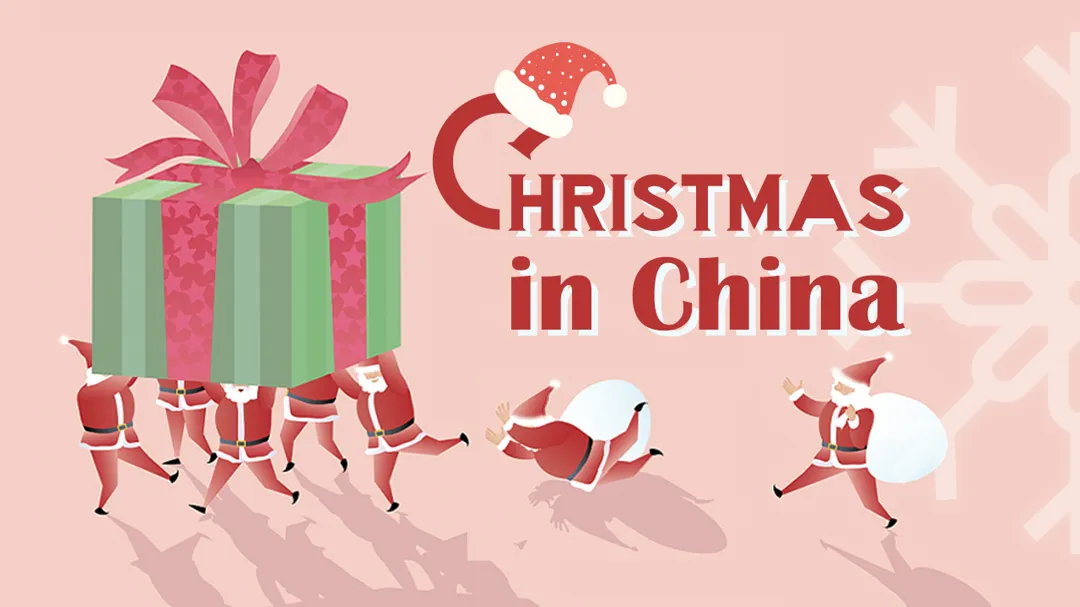
Does China Celebrate Christmas?
Yes, although the word “celebrate” covers several different experiences. For some people, Christmas is a religious observance. For others, it means dinner with friends, a date, a seasonal promotion, or simply bright decorations on the way home from work.
The distinction matters because a decorated mall does not make Christmas a public holiday, and a normal workday does not mean nobody observes it. Region, faith, age, and social circle all shape what the day looks like.
Mainland China Holiday Status
Christmas Day is not a national public holiday in mainland China. The State Council’s official 2026 public holiday schedule lists New Year’s Day, Spring Festival, Qingming Festival, Labor Day, Dragon Boat Festival, Mid-Autumn Festival, and National Day. Christmas is not included.
Government offices, schools, public transport, and most local businesses therefore follow an ordinary weekday schedule on December 25. An international school, foreign company, hotel, or restaurant may arrange its own event or time off, but that is a local decision rather than a nationwide rule.
Hong Kong and Macao Holidays
Hong Kong and Macao use separate holiday calendars. Hong Kong’s official 2026 general holiday list includes Christmas Day and the first weekday after Christmas Day. The Macao government calendar lists both Christmas Eve and Christmas Day as public holidays.
Those calendars affect office closures, visitor numbers, restaurant bookings, and transport demand. A plan that works on an ordinary mainland weekday may need more preparation in Hong Kong or Macao.
How Christmas Varies Across China
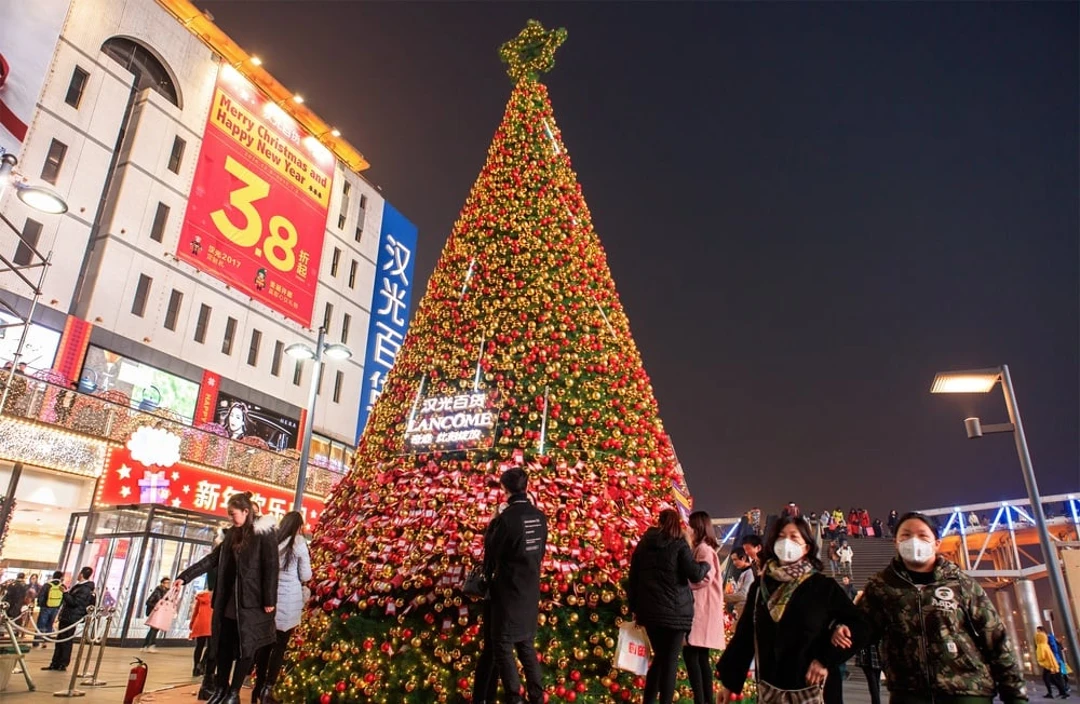
Public Christmas activity is concentrated in major cities and places with international businesses, universities, hotels, or established Christian communities. Shanghai, Beijing, Guangzhou, and Shenzhen may have decorated commercial districts and seasonal events. In smaller cities and rural areas, December 25 can pass with little visible change.
Even within one city, the contrast can be sharp. A central mall may be filled with lights and music while a nearby residential street looks completely ordinary.
Who Celebrates Christmas in China?
There is no single group that represents Christmas in China. The people taking part may be doing so for social, cultural, commercial, or religious reasons, and those motives often overlap.
Young People in Major Cities
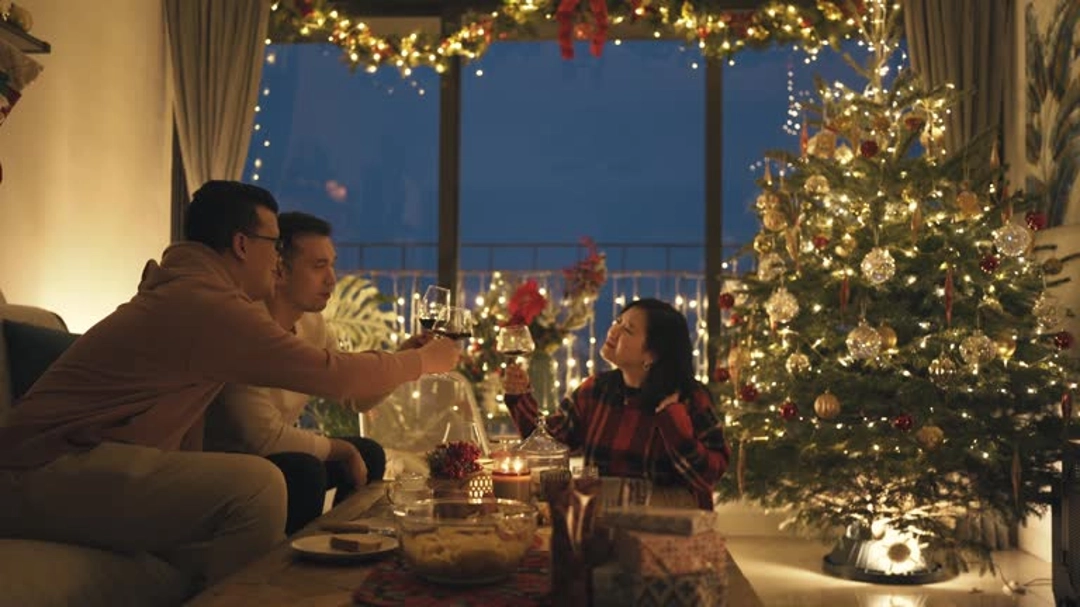
Some young adults treat Christmas as an excuse to meet friends, exchange small gifts, take photographs, or plan a date. Restaurants, cinemas, karaoke venues, and shopping districts fit this social version of the holiday better than a large family gathering at home.
That is why Christmas in mainland cities is sometimes compared with Valentine’s Day. The comparison describes a visible urban trend, not a custom shared by every young person in China.
Christian and International Communities
For Chinese Christians, Christmas marks the birth of Jesus and may include prayer, worship, music, and church activities. Religious observance is distinct from the retail displays that most visitors notice first.
International residents, students, and travelers often organize meals, markets, concerts, or private gatherings that resemble traditions from home. These events are easiest to find in large cities, but dates and admission rules change each year.
How Local Attitudes Vary
Many residents regard Christmas as foreign seasonal imagery or a commercial promotion rather than a meaningful festival. Some enjoy the atmosphere without thinking much about its religious origins. Others prefer greater attention to traditional Chinese celebrations.
Visibility should not be mistaken for consensus. The safest approach is to notice how people around you treat the occasion instead of assuming either enthusiasm or disapproval.
Christmas Traditions Across China
The most recognizable customs mix imported symbols with local habits. They are especially common in commercial and international settings, not universal household traditions.
Christmas Lights and Retail Displays
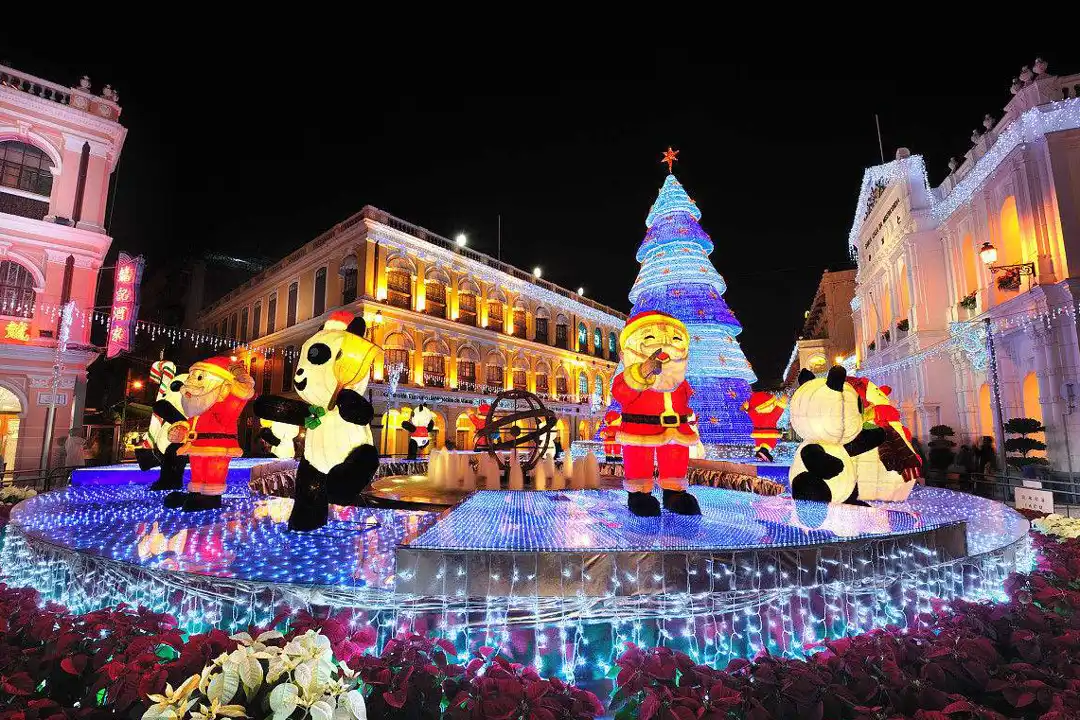
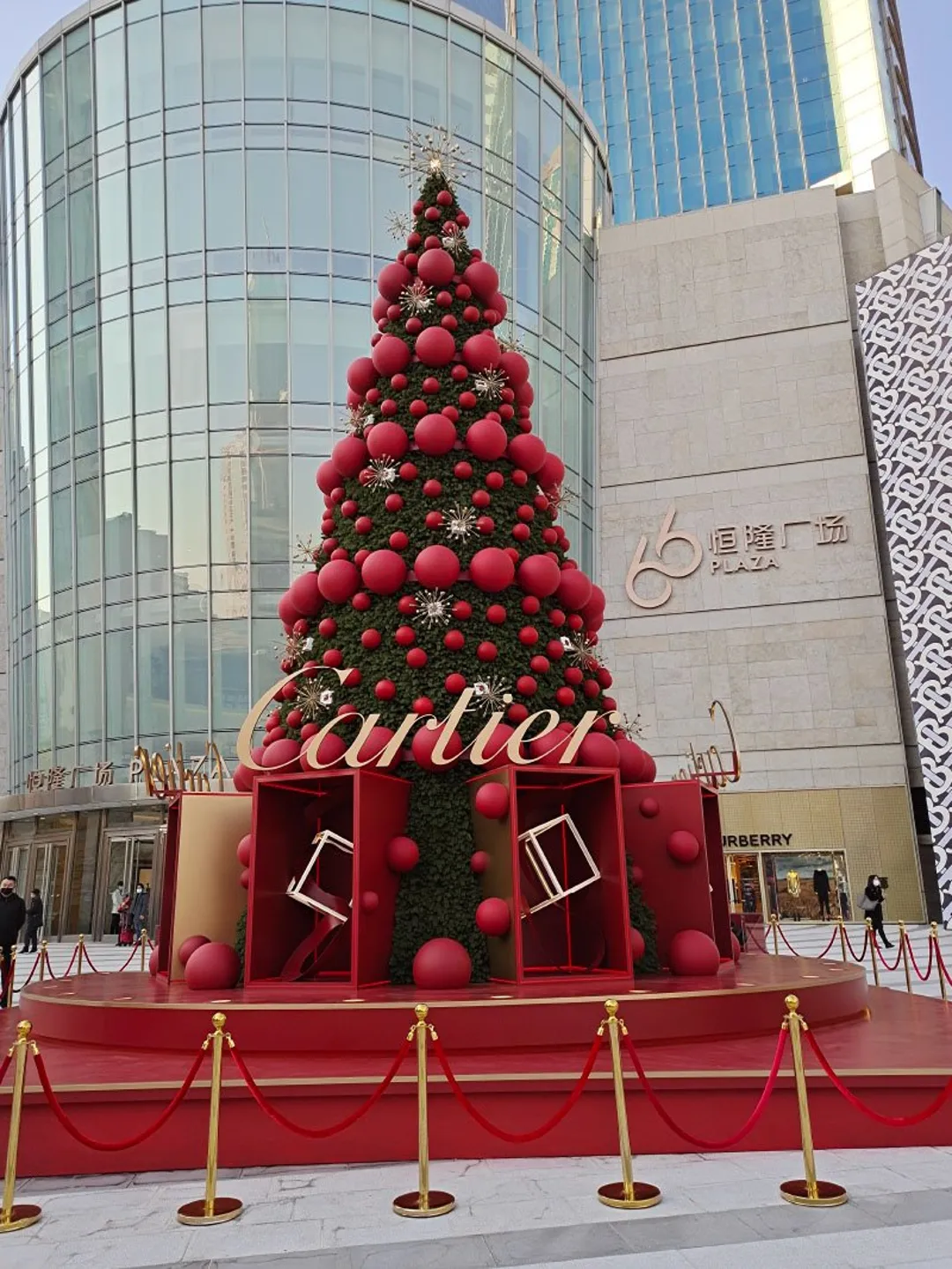
Large malls, hotels, restaurants, and shopping streets may put up trees, illuminated displays, wreaths, and Santa decorations. Seasonal music and promotions help create a festive setting, although the purpose is often to attract diners and shoppers rather than mark a religious occasion.
Private homes are different. Most households do not decorate extensively for Christmas, so the city-center spectacle can give visitors an exaggerated impression of how widely the holiday is observed.
Christmas Eve Peace Apples
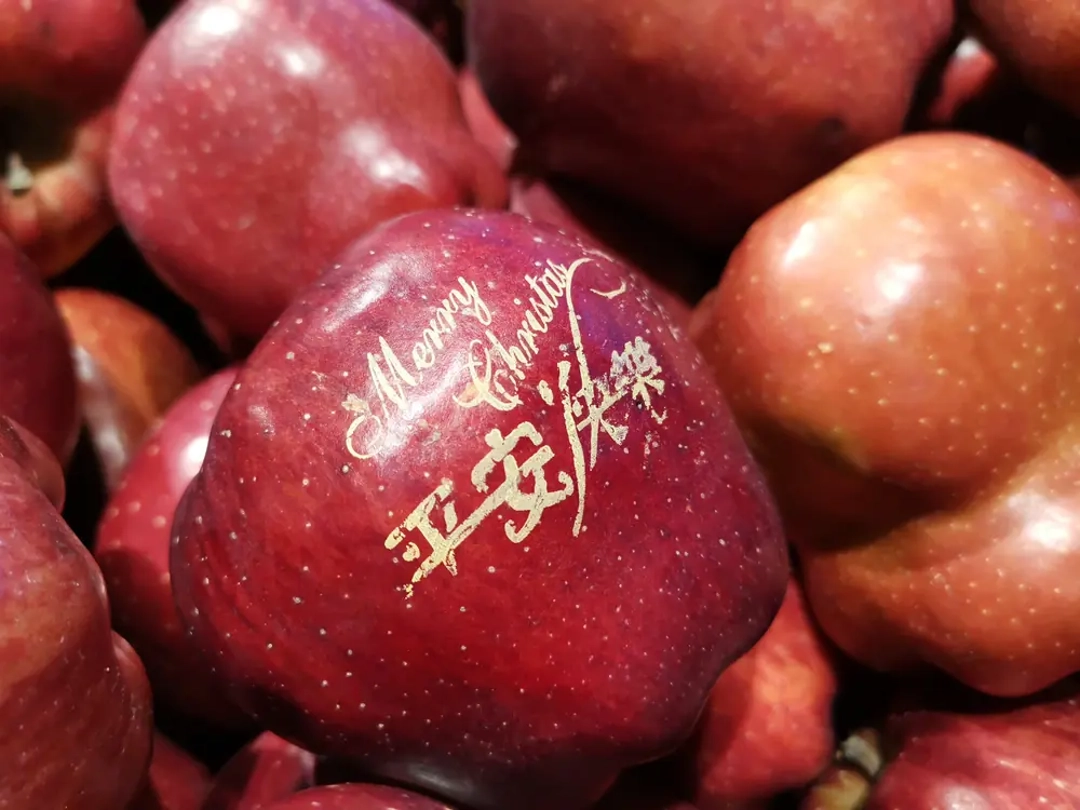
One of the best-known local customs is giving a wrapped apple on Christmas Eve. Christmas Eve is commonly called Píng’ān Yè (平安夜), or “peaceful night.” The Mandarin word for apple, píngguǒ (苹果), begins with a similar sound, inspiring the name “peace apple.”
Shops may package the fruit in colorful paper or add short wishes for peace and affection. The practice is most closely associated with young people and urban retail culture, and it should be understood as playful word association rather than an old nationwide tradition.
Santa Claus and Holiday Music
Santa Claus is known as Shèngdàn Lǎorén (圣诞老人), literally “Christmas Old Man.” Santa figures appear in malls, restaurants, and entertainment venues, sometimes in playful forms created for a local commercial display.
Carols and Christmas pop songs may play in the same spaces. In most cases, the soundtrack establishes a winter shopping or dining mood; it does not indicate that the venue or its visitors are observing Christmas religiously.
Where to Celebrate Christmas in China
Travelers will find the strongest public atmosphere in international cities. Annual markets, concerts, hotel dinners, and themed events can move or disappear, so confirm the current program before building a day around it.
Christmas Events in Shanghai
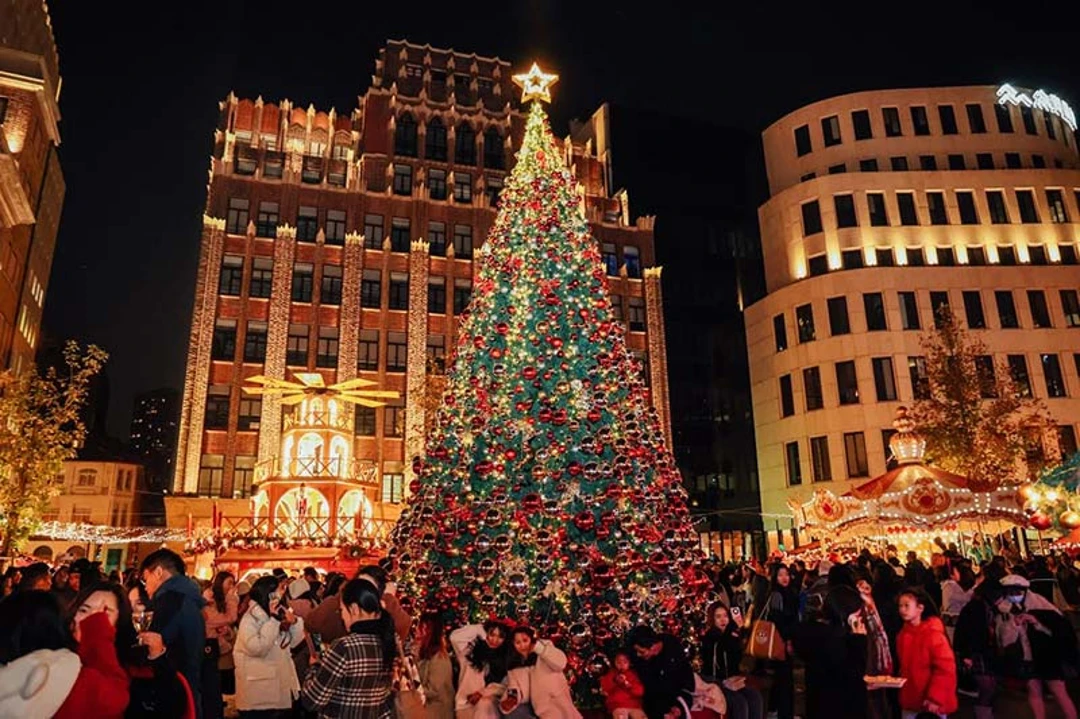
Shanghai has one of mainland China’s most visible Christmas seasons. International hotels, restaurants, malls, and community venues often announce festive meals, markets, concerts, and parties. The mood can be lively in central shopping districts, even though December 25 remains a normal workday for most residents.
Seasonal events are only one layer of the city. Leave time to discover Shanghai China through its historic streets, museums, food, and waterfront rather than planning the entire visit around temporary decorations.
Christmas Atmosphere in Beijing
Beijing’s international hotels, restaurants, and major shopping centers may run seasonal programs. Sanlitun and other internationally oriented areas are reasonable places to look for lights, dinners, concerts, or community gatherings.
December is cold and dry, and many events take place indoors. Check the address, reservation policy, language, and last-entry time before crossing the city.
Guangzhou and Shenzhen Celebrations
Guangzhou and Shenzhen have large commercial districts and international business communities. Major malls and hotels may install elaborate displays or advertise themed dining, but the surrounding city continues with its normal weekday routine.
A listing from a previous year is not reliable evidence that an event will return. Look for a current announcement from the venue and confirm whether it is a public market, a ticketed meal, or a private gathering.
Christmas Holidays in Hong Kong
Hong Kong has a more established public Christmas season than mainland cities. Central, Tsim Sha Tsui, shopping centers, hotels, churches, and visitor attractions commonly feature lights and seasonal programs, while the general-holiday calendar gives the period a different rhythm.
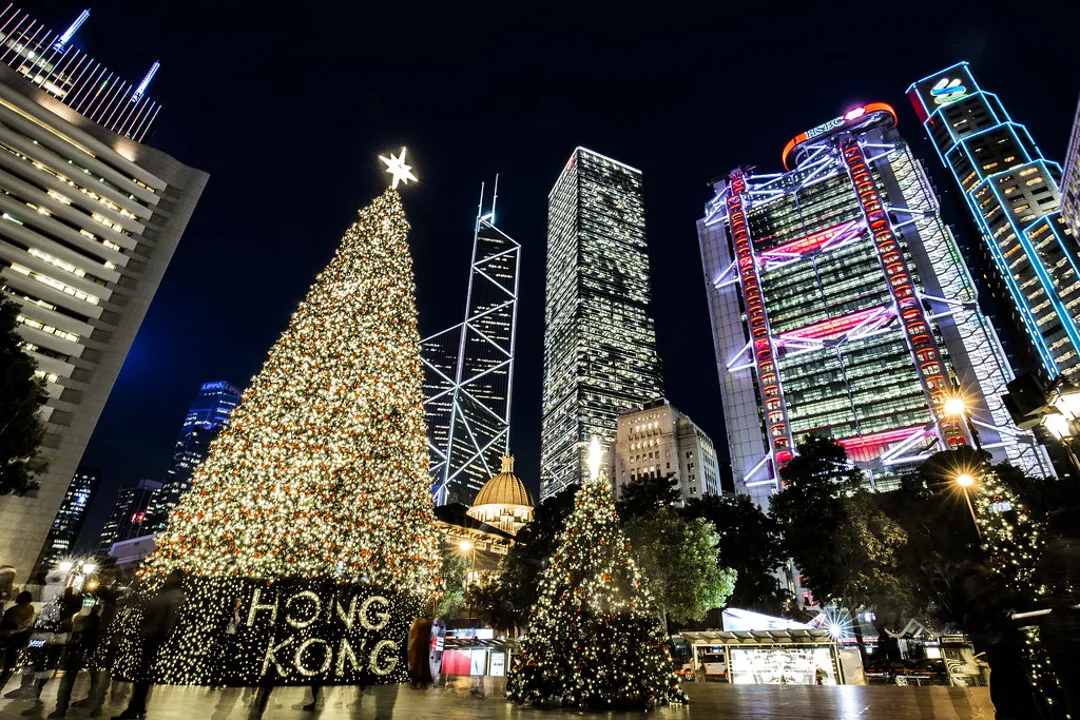
If you plan to travel to Hong Kong, reserve popular meals or ticketed events early. Check holiday transport arrangements and opening hours as well, since crowds and schedules may differ from an ordinary weekend.
Christian Christmas Observance in China
Church celebrations belong to a different context from mall decorations and social outings. Visitors are often welcome at public services, but a church remains an active place of worship rather than a seasonal attraction.
Christmas Services at Churches
Some registered churches hold worship services, prayers, music programs, or community activities on Christmas Eve and Christmas Day. Depending on the congregation, a service may be conducted in Mandarin, Cantonese, English, or another language.
Schedules, registration rules, and capacity vary. Confirm arrangements through the church’s current official channel or a trusted local source instead of relying on an old timetable.
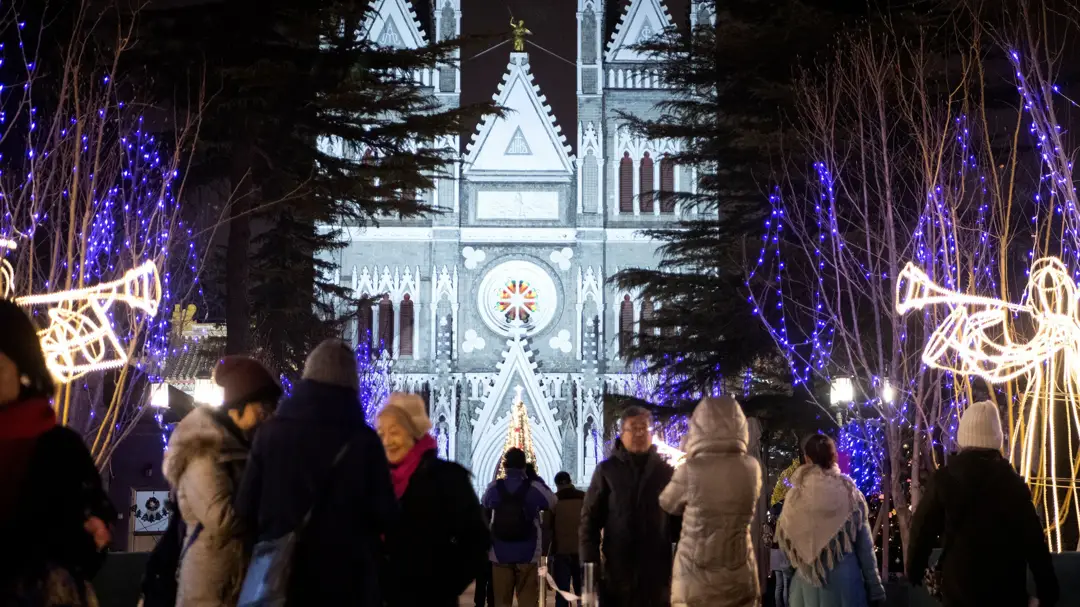
Etiquette for Visiting Churches
Arrive quietly, dress in a way that suits the congregation, silence your phone, and follow directions from church staff. Ask before taking photographs or recording. If admission is limited or a service is full, respect the decision and choose another public seasonal activity.
Planning Christmas Travel in China
A December trip does not require a special nationwide holiday strategy, but a few checks prevent avoidable surprises:
Expect a normal mainland weekday: Schools, offices, shops, and transport generally run as usual, although individual venues may schedule seasonal events.
Check the correct regional calendar: Mainland China, Hong Kong, and Macao have different holiday arrangements.
Verify annual programs: Markets, concerts, displays, and hotel dinners can change from one year to the next. Use the organizer’s current announcement.
Reserve limited-capacity activities: Popular meals, church services, and ticketed attractions may require advance booking.
Keep expectations flexible: One shopping district may look thoroughly festive while the rest of the city feels like an ordinary winter day.
Common Questions About Christmas in China
1. Is Christmas Common in Rural China?
Usually not. Christmas is most visible in large cities with international businesses, commercial centers, universities, churches, or expatriate communities. Small towns and rural areas may show few decorations or none at all.
2. Is Christmas a Family Holiday?
A large family reunion is not a mainstream mainland Christmas custom. Some Christian or internationally connected families celebrate at home, but secular participants are more likely to meet friends or a partner. Traditional Chinese festivals carry much stronger expectations of family reunion.
3. Do Chinese Homes Have Christmas Trees?
Some do, particularly households that actively celebrate Christmas or enjoy seasonal decoration. Trees are far more common in malls, hotels, restaurants, and public-facing commercial spaces than in private homes.
Conclusion
Christmas is not a typical Chinese festival, but it has found a visible place in many large cities. Mainland China generally treats December 25 as a normal working day, while Hong Kong and Macao follow separate public-holiday arrangements.
The season is often social and commercial: lights, meals, shopping, music, dates, and Christmas Eve peace apples appear alongside religious services and traditions maintained by Christian and international communities.
If you travel through China in December, you can still catch the lights and music and perhaps a few surprises with a local flair. Check current details, respect the setting you enter, and let each city show you its own version of Christmas.