
Japan in July is bright, green, festive, and often much hotter than first-time visitors expect. Early in the month can still bring rainy-season showers across much of the country, while late July usually feels firmly like summer.
The reward is a lively travel calendar: Kyoto fills with Gion Matsuri traditions, Hokkaido's lavender fields reach their showiest period, mountain trails open, and coastal escapes become tempting. The trick is to match your route and daily rhythm to the weather.
This guide covers July temperatures, regional choices, seasonal events, a practical itinerary, packing, transport, and mobile connectivity. It will help you enjoy summer in Japan without letting heat or a sudden shower run the day.
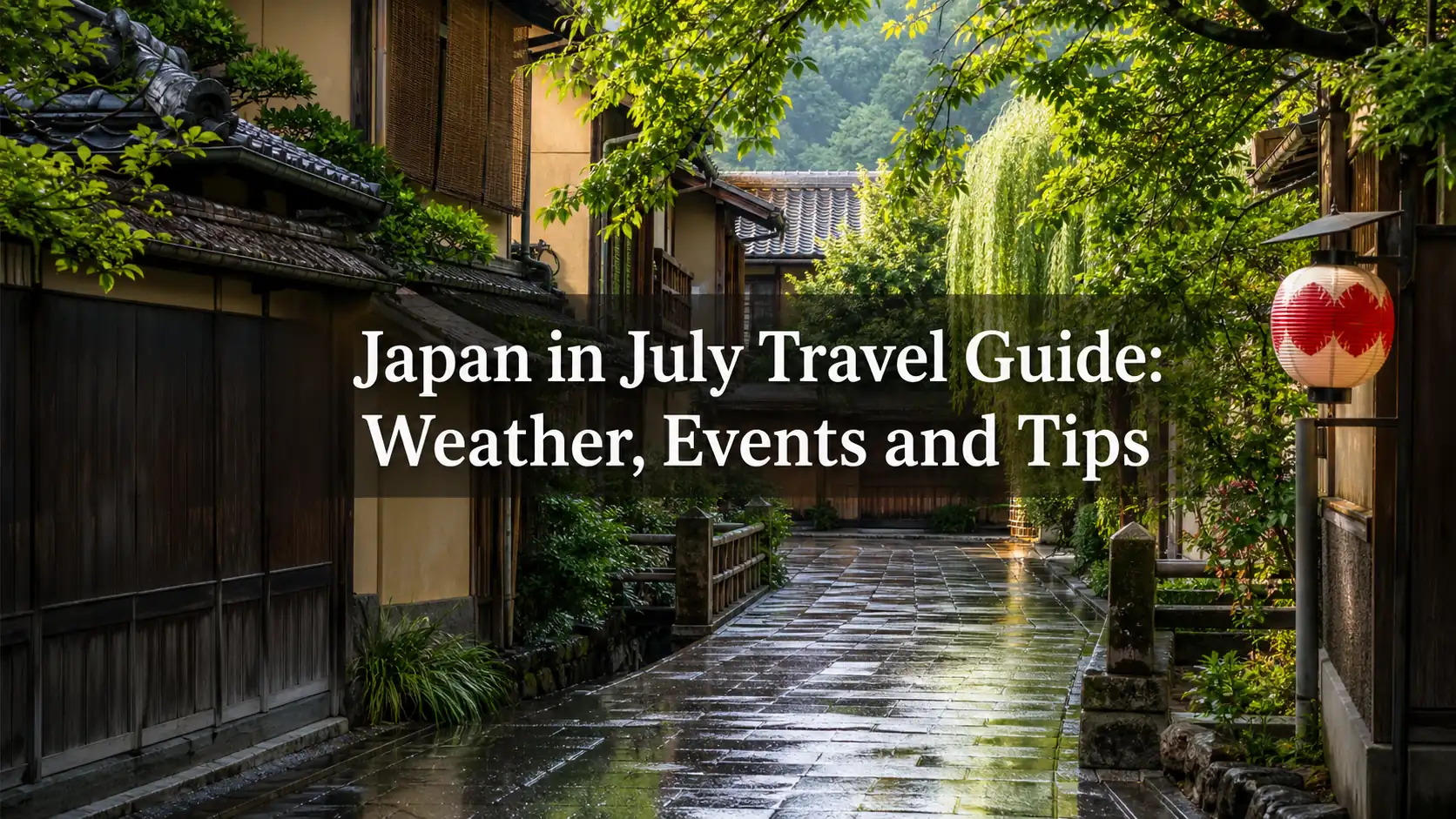
What Japan in July Really Feels Like
July sits at the changeover between the rainy season and full summer. The exact timing varies by region and year, so a blue forecast one week does not guarantee the same conditions the next.
In Tokyo, the Japan Meteorological Agency's 1991-2020 normals put the July mean at 25.7°C, with an average daily high of 29.9°C and low of 22.4°C. Osaka is warmer at a 27.7°C mean and 31.8°C average high, while humidity makes long afternoons feel more demanding than the numbers suggest.
That weather changes how a good itinerary works. Start temples, gardens, outdoor markets, and neighborhood walks early; use the hottest hours for lunch, museums, shopping, or a train transfer; then return outside toward evening.
When plans depend on live train information, weather alerts, or last-minute reservations, reliable mobile data helps the day stay flexible. The Japan summer travel eSIM provides a travel-data option for using your chosen online apps throughout the trip.
Early July still calls for a rain plan in many places. Showers may be brief or persistent, and a compact umbrella is useful even when the morning looks settled.
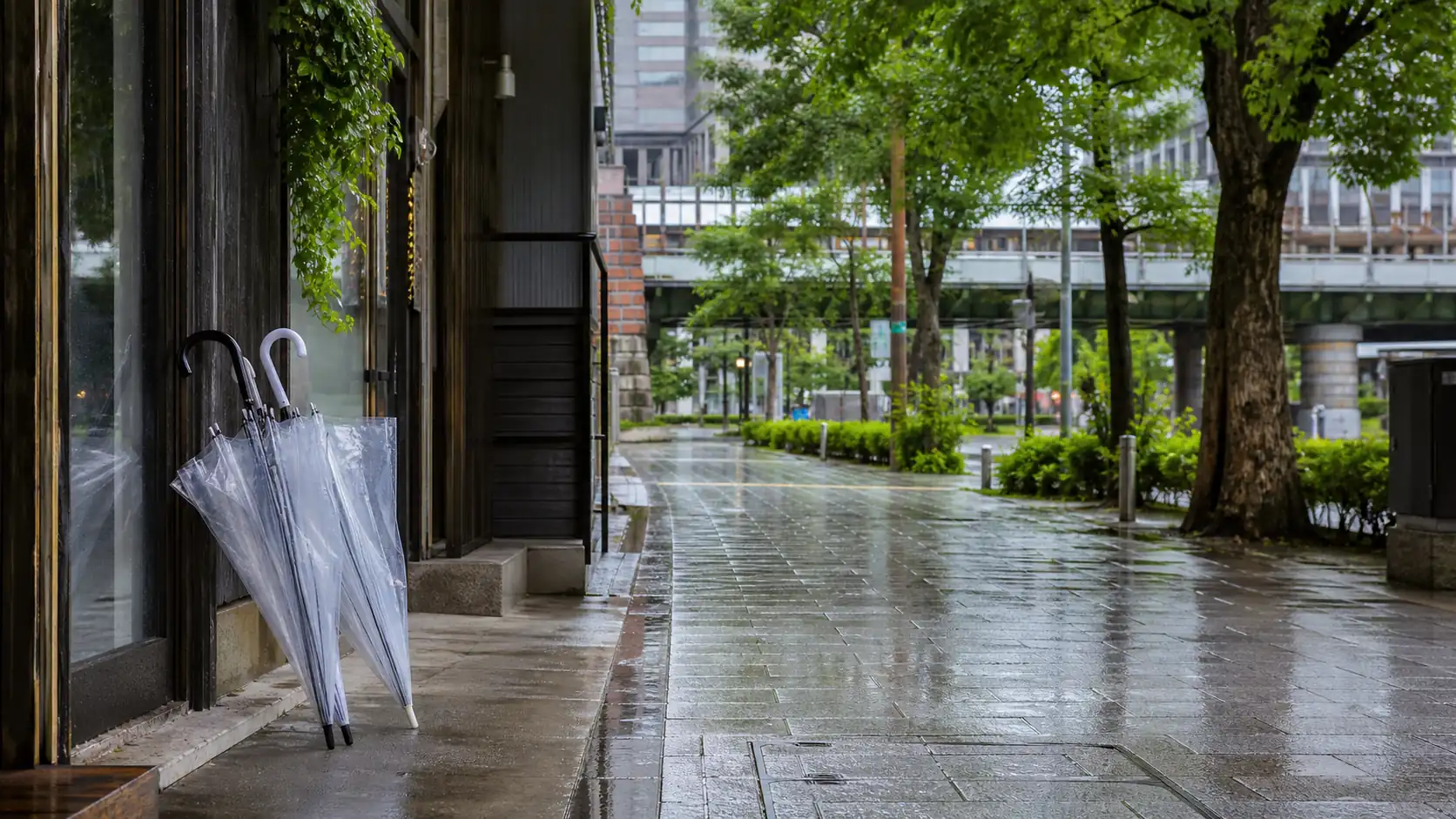
A wet morning can leave temple gardens and neighborhood streets looking especially fresh. Shoes with grip and a nearby indoor stop make those conditions much easier to enjoy.
Tip: Save one indoor attraction near each outdoor stop, so a wet hour becomes a simple swap rather than a lost afternoon.
Regional Weather Differences in July
Japan stretches far enough north to south that "summer weather" means very different things in Sapporo, Tokyo, Osaka, and Naha. The official JNTO July guide confirms the broader pattern: the rainy season winds down through the month while heat and humidity rise. These climate normals are planning baselines rather than a forecast for a particular trip.
City | Mean | Average High | Average Low | July Rainfall |
|---|---|---|---|---|
Sapporo | 21.1°C | 25.4°C | 17.9°C | 90.7 mm |
Tokyo | 25.7°C | 29.9°C | 22.4°C | 156.2 mm |
Osaka | 27.7°C | 31.8°C | 24.6°C | 174.4 mm |
Naha | 29.1°C | 31.9°C | 27.0°C | 188.1 mm |
Sapporo offers the gentlest city climate in this comparison, while Osaka and Naha bring warmer nights that reduce the chance to cool down. Tokyo sits between them but still requires a heat-aware schedule.
Those contrasts are useful when building a multi-region trip. A few days in Hokkaido or at higher elevation can give you a welcome break after the dense heat of central Honshu.
Hokkaido: Cooler Cities and Summer Flowers
Hokkaido is the easy answer for travellers who want July scenery without the heaviest heat. Furano's lavender is usually at its best from early to late July, and the flower fields pair naturally with Biei's rural roads and Sapporo's city comforts.
Driving gives more freedom in the countryside, but trains and seasonal services can still form a workable route if you check the latest timetable. Mobile data from iRoamly Travel eSIM can keep your chosen rail, weather, and map apps available between stops.
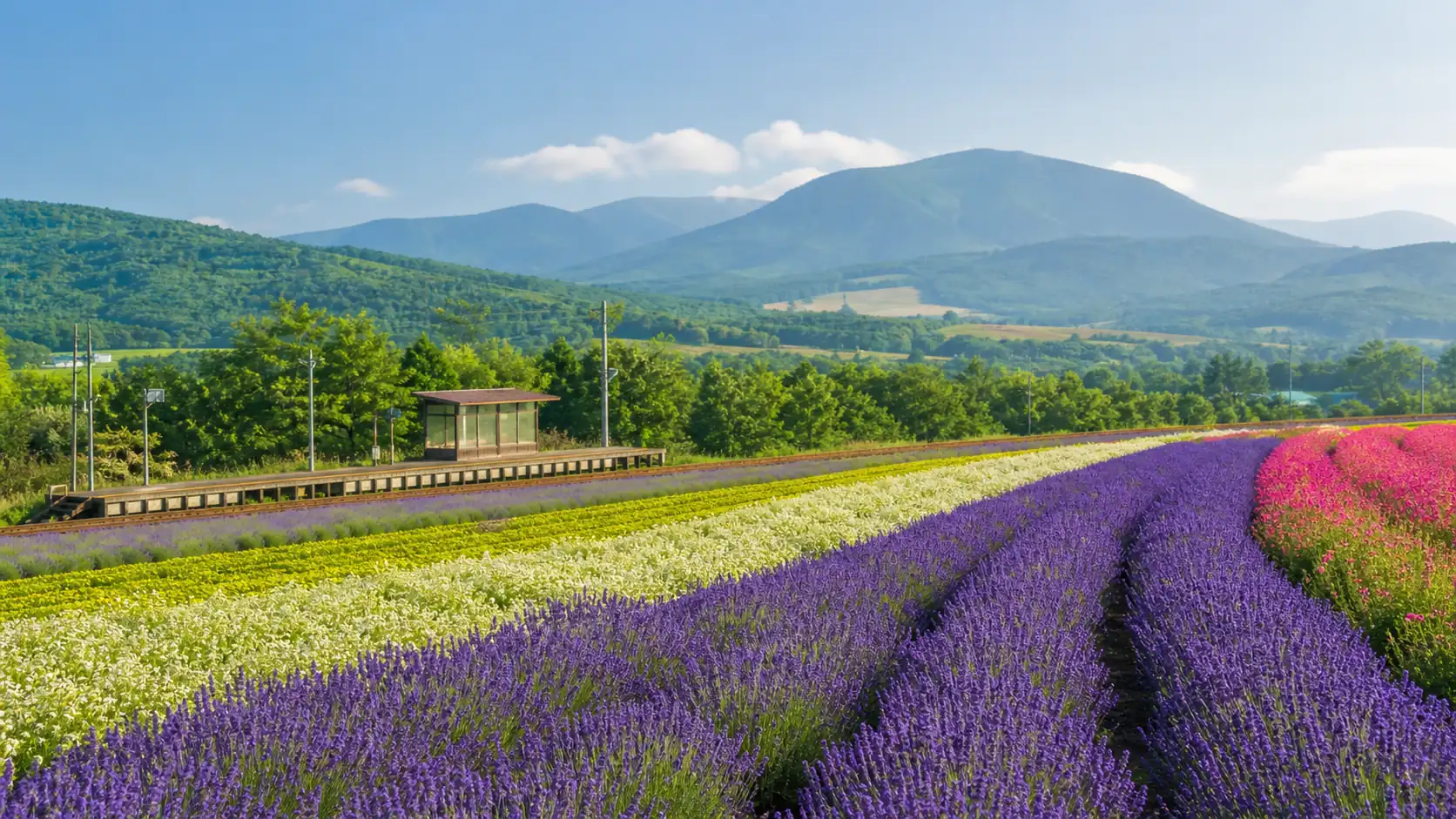
Tokyo and Kansai: Hot, Humid, and Full of Energy
Tokyo, Kyoto, and Osaka are completely workable in July, but a tightly packed midday walking plan becomes tiring fast. Build each day around one main outdoor area and keep a shaded or air-conditioned backup nearby.
Kyoto deserves extra care because many famous temple grounds involve exposed paths and limited shade. Start early, pause often, and avoid treating the city like a checklist.
Okinawa: Beach Weather with Tropical Conditions
Okinawa is already deep into summer in July, with warm sea conditions and hot nights. Leave space in the schedule for changing marine conditions and check official forecasts before boat trips, snorkeling, or island transfers.
A beach day is easiest when you protect the middle of the day, reapply sunscreen, and carry more water than you think you will need. Coastal weather can shift quickly, so flexible bookings are worth considering.
Best July Experiences in Japan
July's strongest experiences come from the season itself rather than from trying to recreate a spring or autumn trip. Festivals, highland scenery, water, and long evenings define summer travel in Japan and should guide the route.
See Gion Matsuri in Kyoto
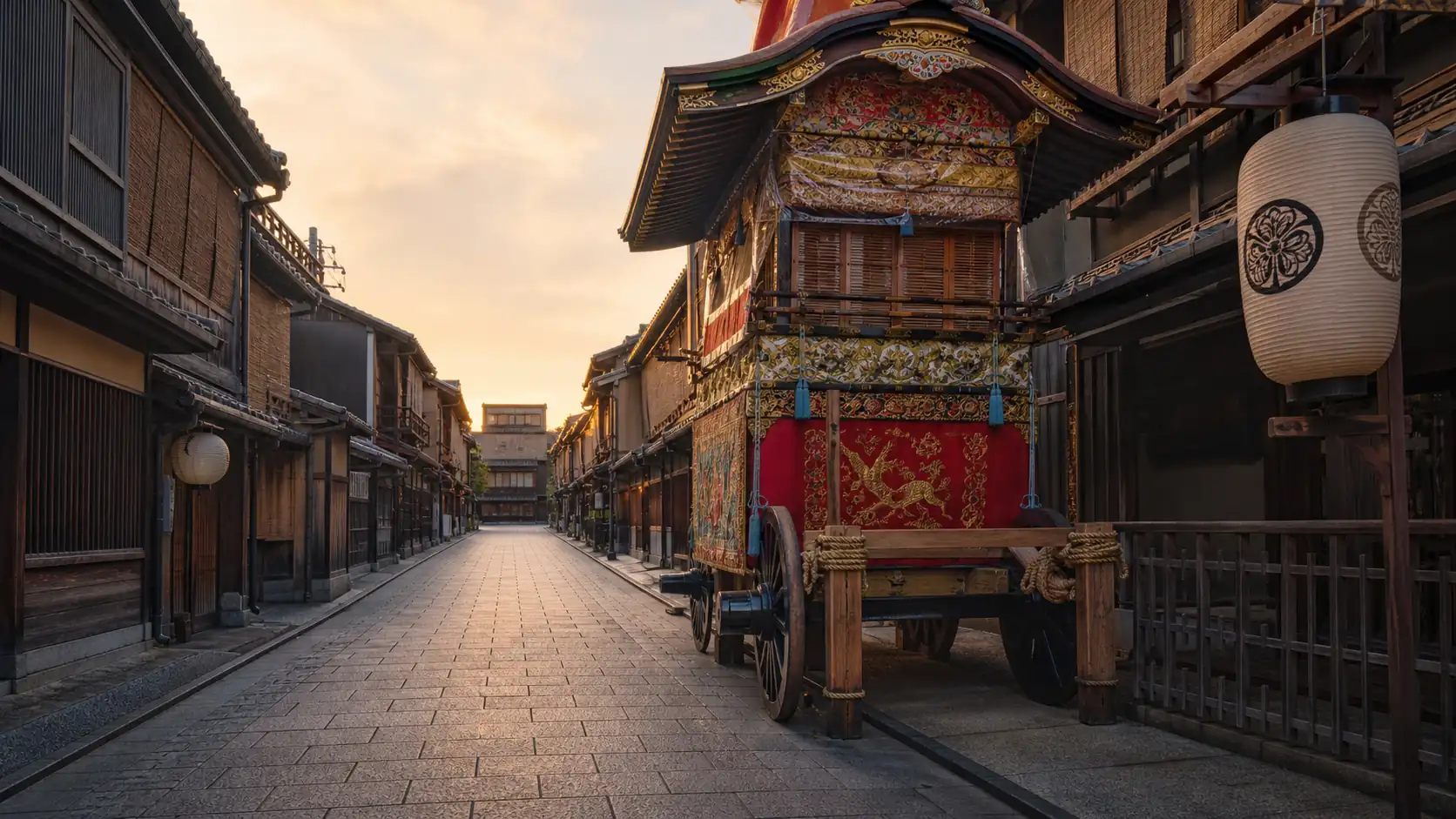
Gion Matsuri runs through July and dates back to 869. Its best-known float processions are traditionally held on July 17 and July 24, while the evenings before them bring decorated floats and a special atmosphere to central Kyoto.
Accommodation around the main dates can fill well ahead, and road closures may change normal transport patterns. Check the current festival schedule and local traffic information before setting out.
Walk Higher, Cooler Trails
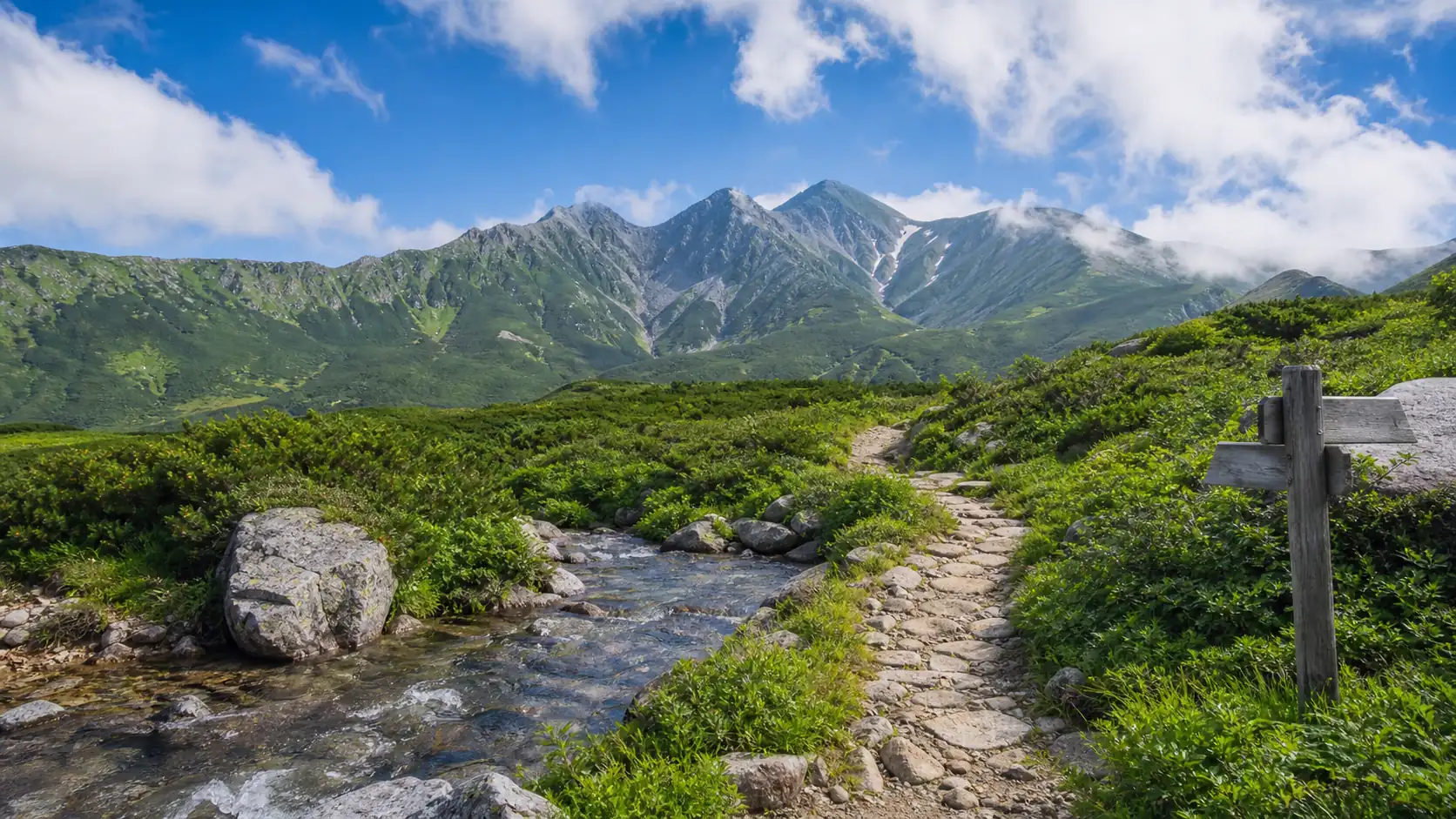
The Japan Alps offer a cooler counterpoint to city travel, with green valleys, river scenery, and hiking routes around places such as Kamikochi and Hakuba. Mountain weather changes faster than city weather, so carry a light layer and rain protection even on a clear morning.
Mount Fuji's official climbing season generally begins in early July and runs into early September, though trail dates and access rules can change. A summit attempt needs current official information, suitable clothing, a realistic pace, and advance planning for huts or required reservations.
Choose Water Without Overloading the Day
Beaches, rivers, and lakes are natural July choices. JNTO highlights coastal areas in Chiba, Wakayama, and Fukuoka, while rafting and kayaking are available in several mountain regions.
One water-based activity is often enough for a day. The heat, gear changes, and transport time add up, and a relaxed evening meal is usually more enjoyable than racing toward another distant stop.
A Practical Seven-Day July Route
This route balances major cities with one cooler mountain break. Its pace is deliberately lighter than a standard seven-day Japan itinerary, because July heat makes recovery time part of good planning; it can still be adjusted around festival dates or a longer Hokkaido extension.
Day 1 — Tokyo: Arrive, settle in, and take a short evening walk near your hotel.
Day 2 — Tokyo: Visit an outdoor district early, spend midday in a museum or shopping area, and return outside after the heat eases.
Day 3 — Tokyo: Keep a flexible neighborhood day with one indoor rain alternative.
Day 4 — Nagano or the Japan Alps: Travel to higher ground and enjoy a shorter afternoon walk.
Day 5 — Kyoto: Transfer early, check in, and see a compact temple area rather than crossing the city repeatedly.
Day 6 — Kyoto: Start before the main heat and reserve the evening for Gion Matsuri atmosphere when dates align.
Day 7 — Osaka: Use covered shopping streets, food halls, and an evening river area before departure or an onward stay.
If Hokkaido is the priority, replace the Alps and Kansai portion with four nights split between Sapporo and Furano or Biei. Fewer hotel changes make a hot-weather trip noticeably easier.
What to Pack for Japan in July
Pack for humidity, rain, strong sun, and aggressively air-conditioned trains or shops. Deciding what to wear in Japan in July is mainly about quick-drying layers that work outdoors and inside cold trains, rather than heavy backups.
Breathable shirts and lightweight bottoms that can handle repeated wear.
A compact umbrella and a thin waterproof layer.
Comfortable shoes with reliable grip on wet stone and pavement.
A hat, sunglasses, sunscreen, and a refillable water bottle.
A light overshirt for cool trains, restaurants, and mountain evenings.
A small dry pouch for your phone, passport copy, and charging cable.
Laundry is widely available in hotels and city neighborhoods, so a smaller quick-drying wardrobe is often better than carrying a heavy suitcase through stations.
Tip: Put one dry shirt in your day bag on long sightseeing days; changing at midday can make the afternoon feel far more comfortable.
Staying Connected and Moving Around
July travel often involves live weather checks, temporary festival routes, and platform changes. Choose a connectivity option before the trip so you are not solving it while tired in an arrival hall.
Travel eSIM
A travel eSIM suits an unlocked compatible phone and avoids handling a physical card. It can provide mobile data throughout the journey while your usual SIM stays in the device.
Local SIM Card
A local physical SIM can fit a longer stay or a traveller with specific local service needs, but it may involve pickup, device checks, or changing the card in the phone.
International Roaming
Roaming is simple for a very short trip or an employer-paid plan, though fees and speed policies vary by home carrier. Confirm the exact terms before departure.
Public Wi-Fi
Public Wi-Fi is useful as a backup in hotels, stations, and cafes, but it is not continuous while moving and open networks may not suit sensitive activity.
The right choice depends on trip length, phone support, budget, hotspot needs, and whether you require a local number. For transport, reserve extra transfer time at large stations and avoid stacking distant neighborhoods into one afternoon.
Small Habits That Make July Easier
A good July trip feels less rushed than the same route in mild weather. These habits protect your energy without taking the fun out of the day:
Start outdoor sightseeing soon after breakfast.
Schedule a proper indoor break during the hottest hours.
Drink regularly rather than waiting until you feel thirsty.
Check official weather and transport updates each morning.
Book festival accommodation and popular mountain stays early.
Leave one flexible half-day for rain, fatigue, or a place you discover locally.
Japan in July works best when you choose fewer stops, begin earlier, and let the season shape the trip. Pair lively city evenings with cooler northern or highland scenery, and keep rain alternatives close rather than building a second itinerary across town.
With breathable clothing, sensible breaks, and current travel information, the heat becomes a planning factor instead of the story of the holiday. The month's festivals, flowers, and green mountain scenery can then take center stage.
FAQ
1.Is Japan in July good for a first visit?
Yes, Japan in July suits first-time visitors who are comfortable planning around heat, humidity, and occasional rain.
2.Can I visit an onsen during hot weather?
Yes, many travellers enjoy an onsen in summer, especially in the evening or in a cooler mountain area.
3.Should I carry cash at summer festivals?
Yes, carrying some yen is sensible because small stalls and temporary vendors may not accept every card or digital payment method.
4.Is Hokkaido worth adding to a short July trip?
Yes, Hokkaido is a strong choice when cooler weather and summer flowers matter more than covering the classic Tokyo-Kyoto route.
5.When does the rainy season end in Japan in July?
Timing changes by region and year, but the rainy season is usually ending or has ended across much of Japan by late July. Keep a rain option even after the seasonal front weakens because local showers and storms still occur.
6.How should I plan around the hottest hours?
Put outdoor sightseeing early in the morning or toward evening, use midday for lunch, museums, shopping, or transfers, and carry water, sun protection, and a small towel.
Conclusion
Japan in July is a trade: you accept heat, humidity, and a chance of rain in return for rich green scenery, long evenings, open mountain routes, and some of the country's most memorable summer traditions.
The most satisfying route is not the one with the most pins on a map. It is the one that balances early starts and indoor breaks with Kyoto festival nights, Hokkaido flower fields, a highland walk, or time beside the water.
Plan around the region, keep the schedule flexible, and check current official information as the trip approaches. Do that, and July can show you a lively, seasonal side of Japan that milder months never quite reveal.