
Travelers carrying medicine into Japan need to check the active ingredient, drug category, dosage form, and quantity before departure. A medicine that is legal or available without a prescription at home can be controlled differently in Japan.
This guide explains how to screen your medication, when advance permission or an Import Confirmation may be required, and what documents to carry. Rules can change, so confirm your exact medicine with Japan's Ministry of Health, Labour and Welfare (MHLW) or the Narcotics Control Department rather than relying on a brand name alone.
Keep official guidance, prescriptions, and contact details available during the trip. An iRoamly travel eSIM can support access to official pages and translation tools, but save critical documents offline because connectivity may be limited during an inspection.

Understanding Japan's Medication Restrictions
Japan does not use one simple list that makes every medicine either allowed or banned. The correct route depends on the ingredient and legal category. Check the generic ingredient name, not only the product name, because formulations can differ by country.
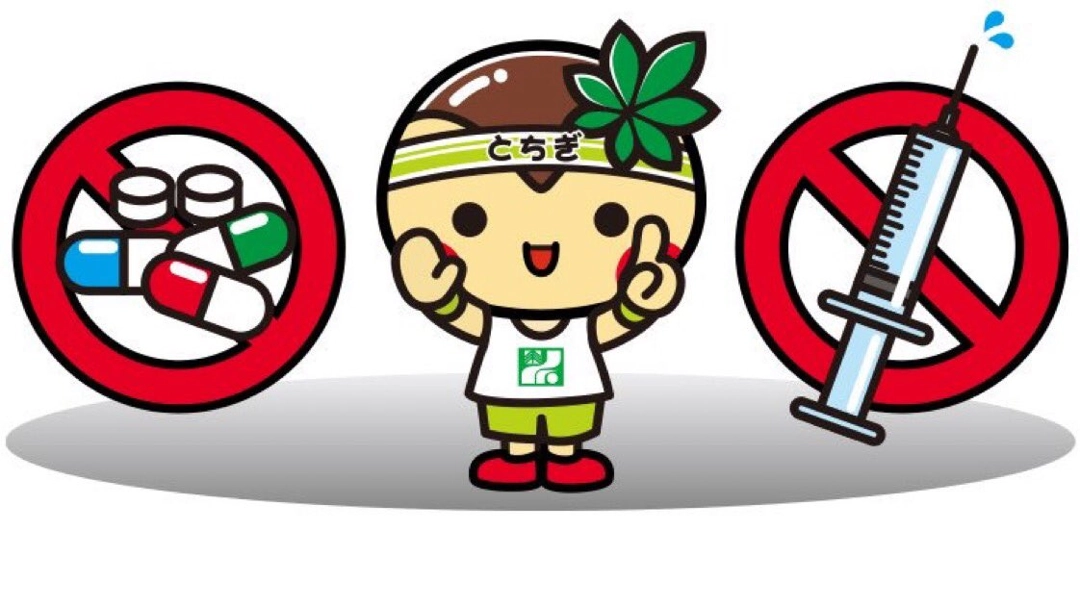
Prohibited Stimulants and Other Banned Substances
Amphetamine and methamphetamine are prohibited stimulants. The Narcotics Control Department specifically states that Adderall cannot be imported because it contains amphetamine, even when prescribed for treatment. Cannabis and many designated drugs are also prohibited.
Do not assume a doctor's letter overrides a prohibition. If an ingredient appears on a controlled-substances list, ask the relevant Japanese authority for a written answer before traveling.
Controlled Medicines That Need Advance Permission
Some prescribed narcotics and stimulant raw materials may be carried only after the traveler receives advance permission from the appropriate Regional Bureau of Health and Welfare. Medical psychotropics have separate quantity and documentation rules, and injections can trigger additional requirements.
The official Narcotics Control Department application guidance explains the categories, forms, supporting documents, and submission route. Apply early enough to receive approval before departure.
General Prescription and Over-the-Counter Medicines
MHLW guidance generally allows up to a one-month supply of prescription medicine and up to a two-month supply of many other medicines for personal use without an Import Confirmation, provided the medicine is not specially controlled. External medicines and medical devices have their own limits.
These quantity allowances do not make a controlled ingredient legal. Combination cold, allergy, pain, sleep, or attention medicines should be checked by ingredient and strength.
Avoid broad claims that all products containing codeine or pseudoephedrine are automatically treated the same; the exact substance, concentration, quantity, and legal category matter.
How to Check Your Medicine Before You Travel
Use this sequence for every prescription, over-the-counter product, supplement, injectable medicine, and medical device you plan to carry.
List the active ingredients: Copy the generic names and strengths from the pharmacy label or package insert.
Check official Japanese sources: Start with MHLW traveler guidance and the Narcotics Control Department controlled-substances resources.
Compare the quantity: Count the total tablets, liquid volume, injection units, or device quantity for the entire trip.
Ask the correct authority: If the classification is unclear, contact the bureau responsible for your arrival airport and provide the ingredient, strength, dosage form, daily dose, and quantity.
Complete any application: Obtain required permission or an Import Confirmation before travel and follow the instructions on carrying the approval.
Documents and Packing Checklist
Good documentation does not legalize a prohibited medicine, but it helps customs officers understand an allowed prescription and match it to the traveler.
Keep medicine in its original pharmacy or manufacturer packaging.
Carry a copy of the prescription and a doctor's letter stating the condition, generic ingredient, strength, daily dose, and trip quantity.
Carry the original approval or Import Confirmation when one is required.
Pack medicine in your hand luggage within airline security rules, with backup documentation stored offline.
Do not carry medicine for another person, sell it, give it away, or mail controlled medicine separately.
Important: A translated label can help communication, but Japanese translation is not a substitute for official permission or an Import Confirmation.
Separate Medication and Entry Documents
Medication import permission is separate from immigration eligibility. Confirm the correct Japan visa type, then keep that paperwork apart from prescriptions and medicine approvals so each document is easy to present.
Carry paper copies of essential approvals and store encrypted digital copies that you can open without signing in. Record the bureau contact for your arrival airport before departure.
This separation makes the correct record easier to present without mixing immigration and medical evidence.
Document set | Include | Keep accessible |
|---|---|---|
Entry | Passport, visa or entry evidence | At immigration |
Medication | Prescription, medical letter, approval | At customs |
Backup | Offline copies and bureau contacts | Throughout the trip |
Medication Rules on Multi-Country Itineraries
East Asian itineraries can combine short flights with completely separate medicine-import systems. If Japan is one stop, repeat the check for every border rather than assuming one country's approval applies elsewhere.
Cannabinoid products show why ingredient-level checks matter across borders: Japan prohibits cannabis, while China cannabis laws impose their own restrictions and penalties. Travelers continuing to China should verify the exact product again rather than treating Japan's decision as portable.
Organize the review by border so one country's documents are never mistaken for another's.
Trip stage | Check | Prepare |
|---|---|---|
Japan entry | Japanese ingredient category and quantity | Japan-specific approval and contacts |
Next border | That destination's current rules | Separate application and evidence |
Return journey | Export or re-entry conditions | Remaining medicine records |
Keep Secure Digital Backups
Download the approval, prescription details, and emergency contacts for offline use because connectivity is not guaranteed at inspection. Protect health records with a device passcode and avoid leaving sensitive files open in a shared photo gallery.
Use more than one access method, while keeping the minimum personal information needed for travel.
Copy | Best use | Safeguard |
|---|---|---|
Paper | Immediate inspection | Keep with medicine |
Offline digital | No-signal access | Lock the device |
Encrypted cloud | Recovery after loss | Use strong authentication |
Mobile Access After Arrival
If you need mobile data for maps, translation, clinic details, or official updates after entering the country, a Japan eSIM is one digital SIM option for travelers. Install and test it before departure where possible, while keeping essential medication records available offline.
Connectivity supports routine travel tasks after arrival, but it is never a substitute for preapproved paperwork.
Online task | Offline fallback |
|---|---|
Open official guidance | Saved PDF or screenshot |
Translate medicine details | Printed generic-name list |
Find a clinic | Written address and phone number |
Planning for Chronic Conditions and Common Illnesses
Ask your clinician about the trip well before departure. If your usual medicine is prohibited, the clinician may be able to discuss a lawful alternative, but medication changes should be medically supervised and tested before travel.
For common illnesses, Japanese pharmacies sell many local products, although brand names, strengths, and instructions may differ. Travelers with allergies, diabetes, epilepsy, asthma, or other chronic conditions should not rely on finding an identical replacement after arrival.
Keep the address of a nearby clinic or pharmacy and check what your Japan travel insurance covers, including consultations, replacement prescriptions, and pre-existing conditions.
What to Do If Customs Questions or Holds Your Medicine
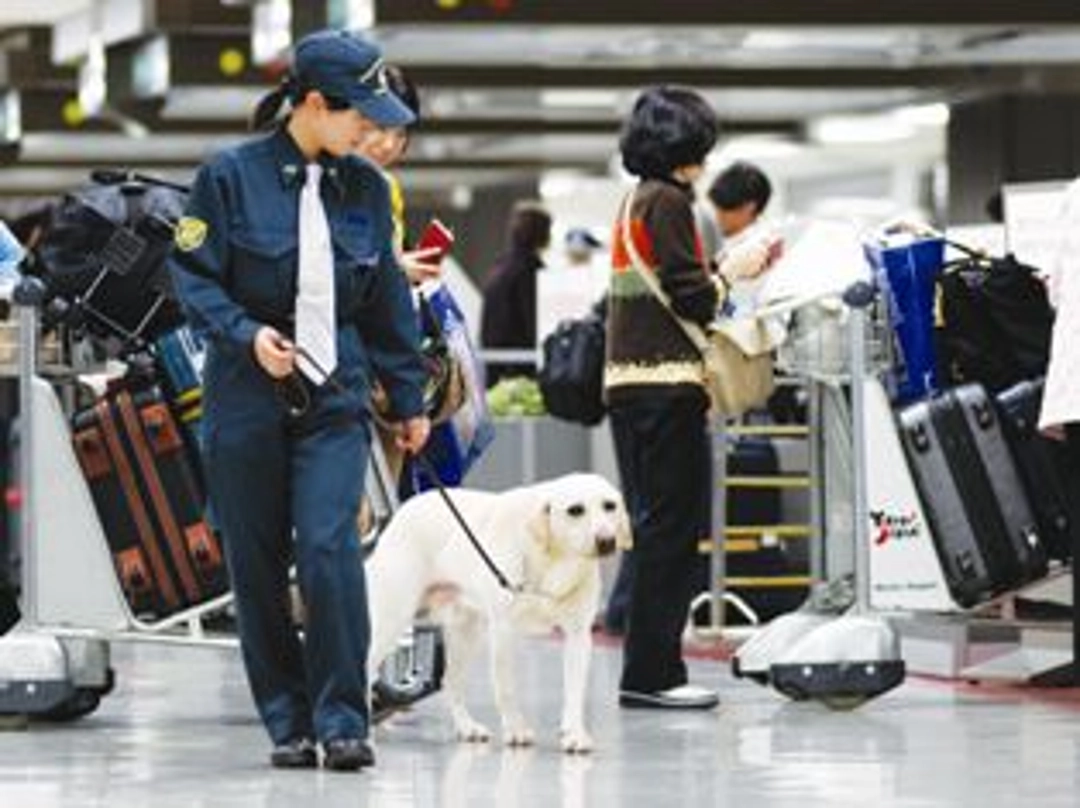
Stay calm, answer accurately, and show the packaging, prescription, and any approval. Do not argue that a home-country prescription automatically permits entry.
If officers hold or refuse the medicine, ask for the agency name, written instructions, and the available options. Contact the responsible health bureau, your travel insurer, a licensed Japanese medical provider, and your embassy or consulate as appropriate. Do not assume that missing permission can always be obtained at the airport.
If the problem also involves urgent medical care, lost documents, or personal security, keep the steps in a Japan travel safety guide available offline. Customs and health authorities still make the medication decision, while insurers and consular staff can assist with the wider emergency.
FAQ
1. Can I bring a one-month supply of prescription medicine to Japan?
Often yes for a general prescription medicine used personally, but not when the ingredient is prohibited or specially controlled. Check the ingredient and category first.
2. What is an Import Confirmation?
It confirms a personal medicine import when the product or quantity falls outside Japan's simplified allowance.
3. Can I bring Adderall to Japan with a prescription?
No. Japan's Narcotics Control Department states that Adderall cannot be imported because it contains amphetamine, a prohibited stimulant.
4. Are codeine and pseudoephedrine always banned?
Do not use a blanket rule. Products must be checked by exact ingredient, concentration, quantity, and category; ask the relevant Japanese authority when the classification is unclear.
5. Can I refill a foreign prescription in Japan?
A foreign prescription is not automatically fillable. A Japanese clinician may need to examine you and prescribe an available local alternative.
6. Where should I get the final answer for my medicine?
Use MHLW and Narcotics Control Department guidance, then contact the bureau responsible for your arrival point with the exact ingredient, strength, dosage form, and quantity.
Conclusion
The safest approach is ingredient-first: identify every active substance, check the Japanese category, compare the quantity with the official allowance, and obtain written permission when required. Keep original packaging and documents with you throughout the journey.
Japan's rules are strict but manageable when checked early. Complete the review before nonrefundable travel, and treat official Japanese guidance—not social media or a brand-name list—as the final authority.
A careful ingredient check, the correct approval route, and accessible records give customs officers the information they need while protecting continuity of care during the trip.