
Muğla is a large province on Turkey’s Aegean and Mediterranean coasts, covering resort towns, quiet bays, mountain villages, and major ancient sites. Planning by area matters because the province is far larger than a typical city break.
A successful trip balances archaeology and beach time with realistic transfers, heat protection, and a practical base. Dalaman and Milas–Bodrum airports serve different parts of the province, while buses, dolmuş services, ferries, and rental cars suit different routes.
This guide explains Muğla’s history, local culture, beaches, transport, accommodation, activities, and nearby destinations. iRoamly travel eSIM plans can support maps and booking updates, but offline directions remain useful on remote coastal roads and trails.
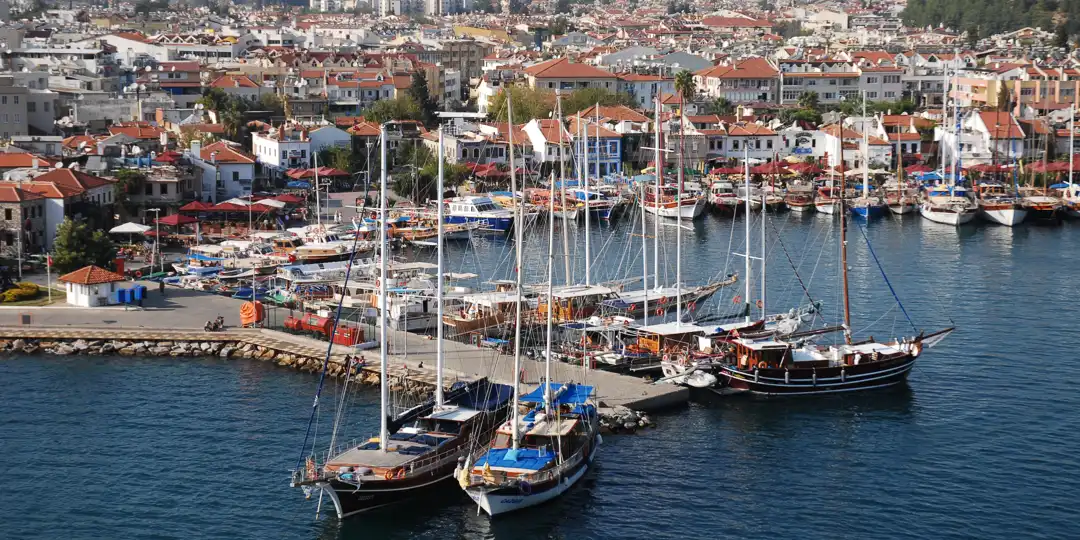
The Historical Significance of Muğla
Muğla's archaeological sites reflect Carian, Lycian, Hellenistic, Roman, Byzantine, and Ottoman civilizations, making the province one of Turkey's richest historical regions. Because these sites are spread across different peninsulas and valleys, each preserves a different chapter of Muğla's long cultural history.
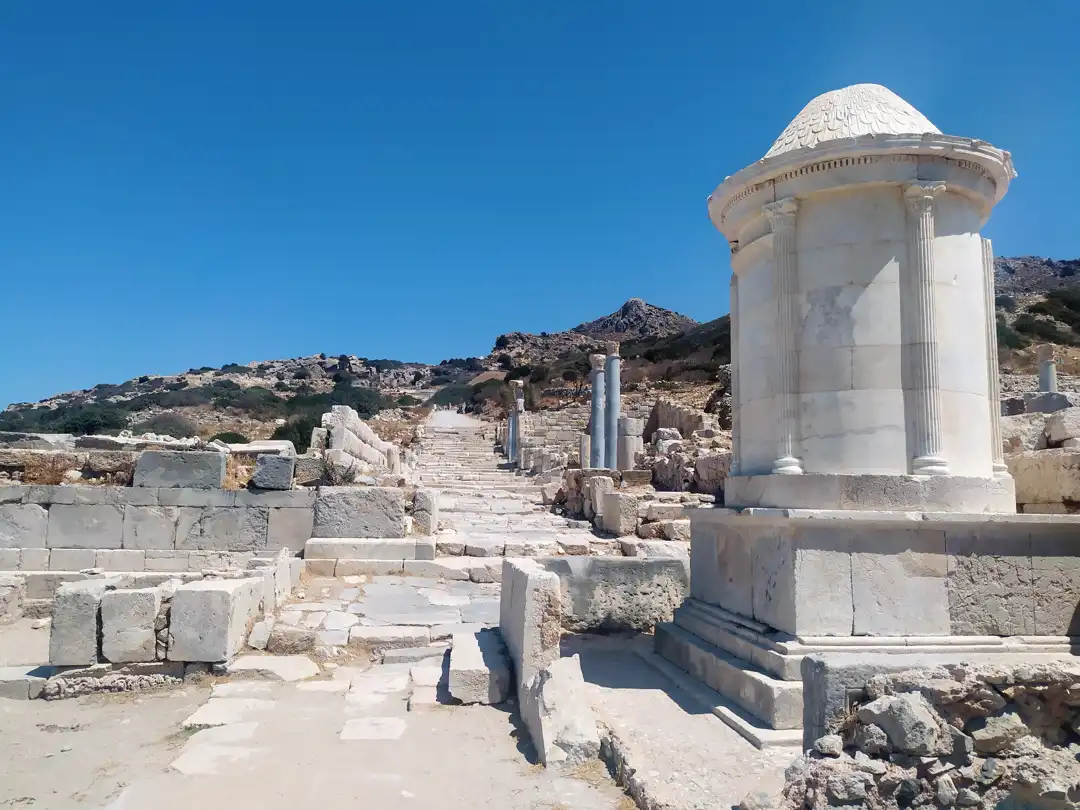
Ruins of ancient Knidos on the Datça Peninsula
Located at the tip of the Datça Peninsula, Knidos is one of Muğla's most important archaeological sites. Its temples, harbor, and public buildings illustrate the city's role as a major maritime center, showing how trade and cultural exchange shaped the Aegean coast for centuries.
Tlos and Kaunos highlight different aspects of Muğla's past. Tlos is known for its Lycian rock-cut tombs and hilltop ruins, while Kaunos combines archaeological remains with the Dalyan river landscape. Together with Knidos, these sites demonstrate how successive civilizations left their mark across Muğla, giving the province its exceptional historical depth.
In-Depth Cultural Practices and Traditions
Muğla’s culture is visible in weekly markets, village food, weaving, woodwork, and local building traditions. The province is diverse, so customs in a resort center may differ from those in an inland town or farming village.
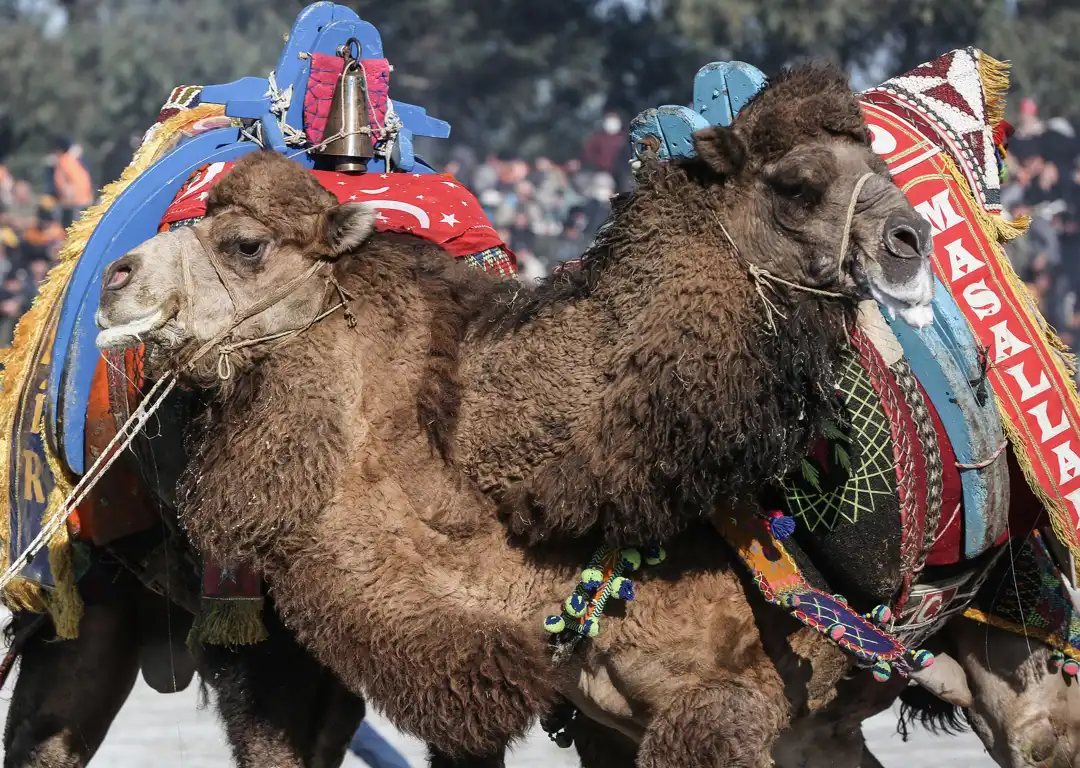
Carpet weaving has a long place in Turkish cultural traditions, but workshops vary in authenticity and sales pressure. Ask whether visitors may observe without purchasing, and request clear information about materials, origin, and production time.
Market visits are most rewarding when treated as everyday community spaces rather than staged attractions. Carry small notes, ask before photographing people, and learn a few Turkish greetings to make brief exchanges more respectful.
Exploring Hidden and Unconventional Spots
Quieter Muğla experiences usually require an early start, an overnight stay, or a route beyond the busiest resort centers. Kabak Bay, rural Datça, and smaller coves can feel peaceful outside peak hours, but none should be assumed empty in summer.
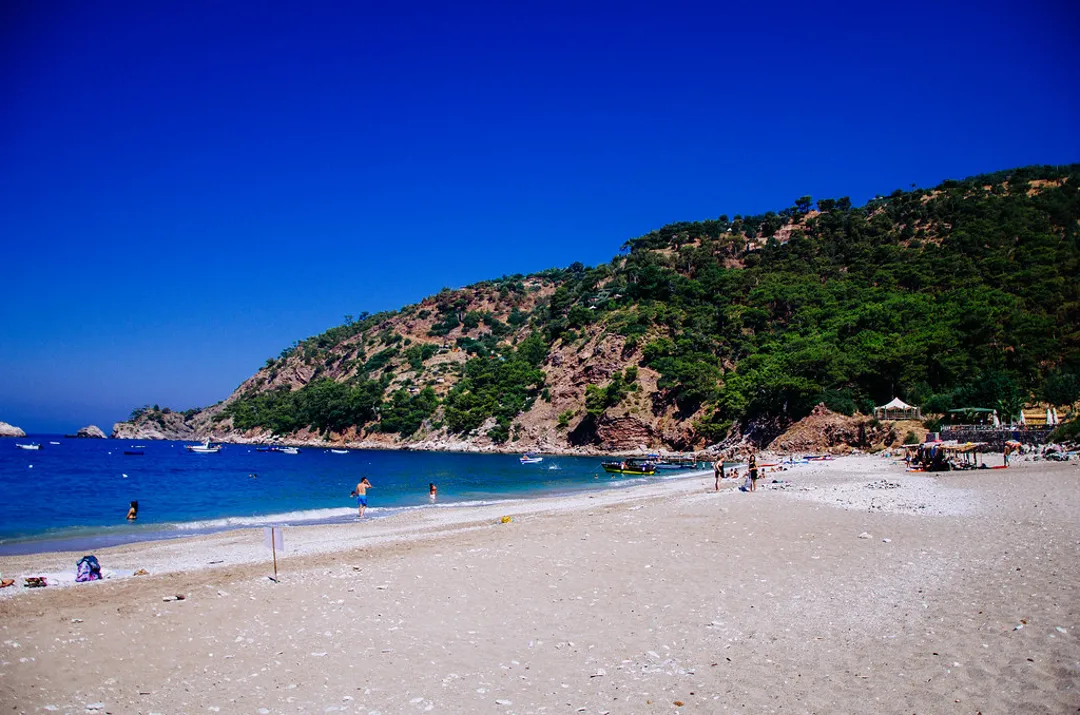
Pınara offers rock-cut tombs and a mountain setting, while traditional villages provide a slower contrast to beach resorts. The official overview of Muğla’s coastal and heritage areas helps confirm which districts match a history, nature, or beach-focused route.
Remote access can involve steep roads, limited shade, seasonal businesses, or infrequent transport. Confirm the return journey before leaving a hub, and do not enter signed archaeological or natural areas outside permitted routes.
Transportation and Accessibility
Dalaman Airport is usually the practical gateway for Fethiye, Göcek, Dalyan, and Marmaris. Milas–Bodrum Airport suits Bodrum and the northern part of the province, so the nearest airport on a map may not produce the simplest transfer.
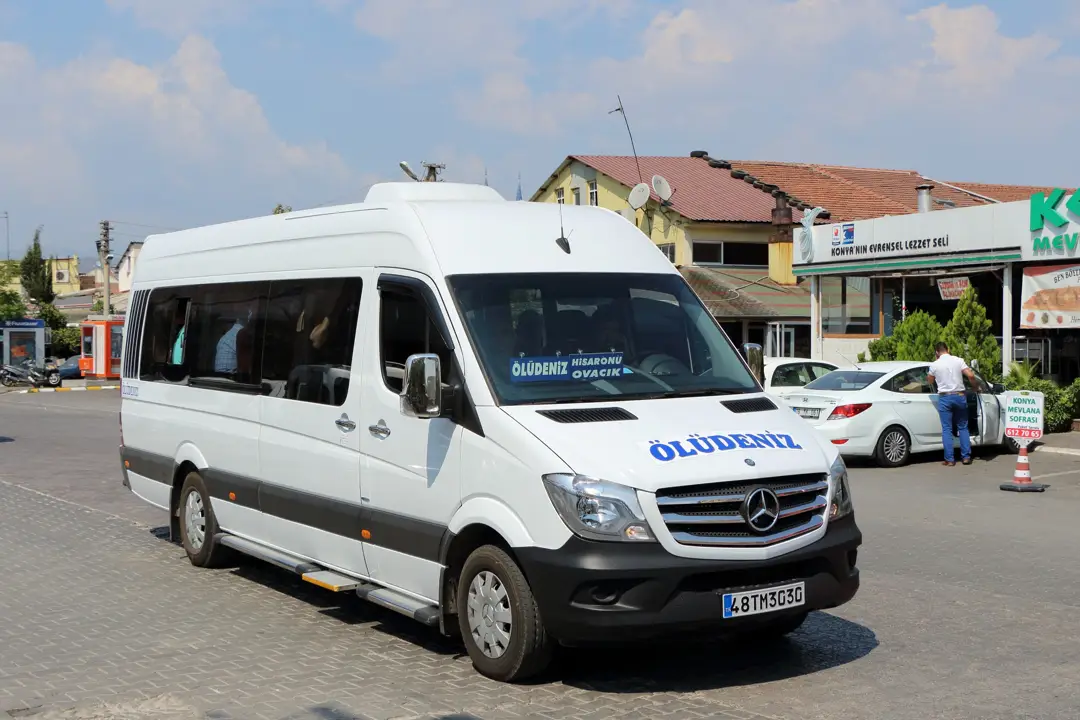
Intercity buses connect major towns, and dolmuş minibuses handle many local routes. Services to remote bays and villages may be seasonal or infrequent, while ferry operations can depend on route and weather.
A Turkey eSIM can support live maps and schedule checks. Download key routes before isolated drives or hikes, and allow extra time for summer traffic, narrow roads, parking, and one-way car-rental restrictions.
Practical Travel Tips and Accommodation
Choose accommodation by travel zone: Bodrum for nightlife and northern peninsular trips, Fethiye for Ölüdeniz and Lycian sites, Marmaris for resort access and boat trips, or Datça for a slower peninsula stay.
Card acceptance is common in larger businesses, but some Turkish lira is useful for markets, small cafés, local transport, and places with unreliable terminals.
Book popular coastal accommodation early for July and August, then verify whether the stated location is genuinely walkable. In shoulder season, check whether beach clubs, ferries, and other seasonal services are operating.
Must-Visit Attractions and Natural Wonders
Ölüdeniz suits beach and paragliding trips, while Butterfly Valley access depends on sea and trail conditions. Saklıkent Gorge is seasonal, and visitors need footwear appropriate for wet, uneven surfaces.
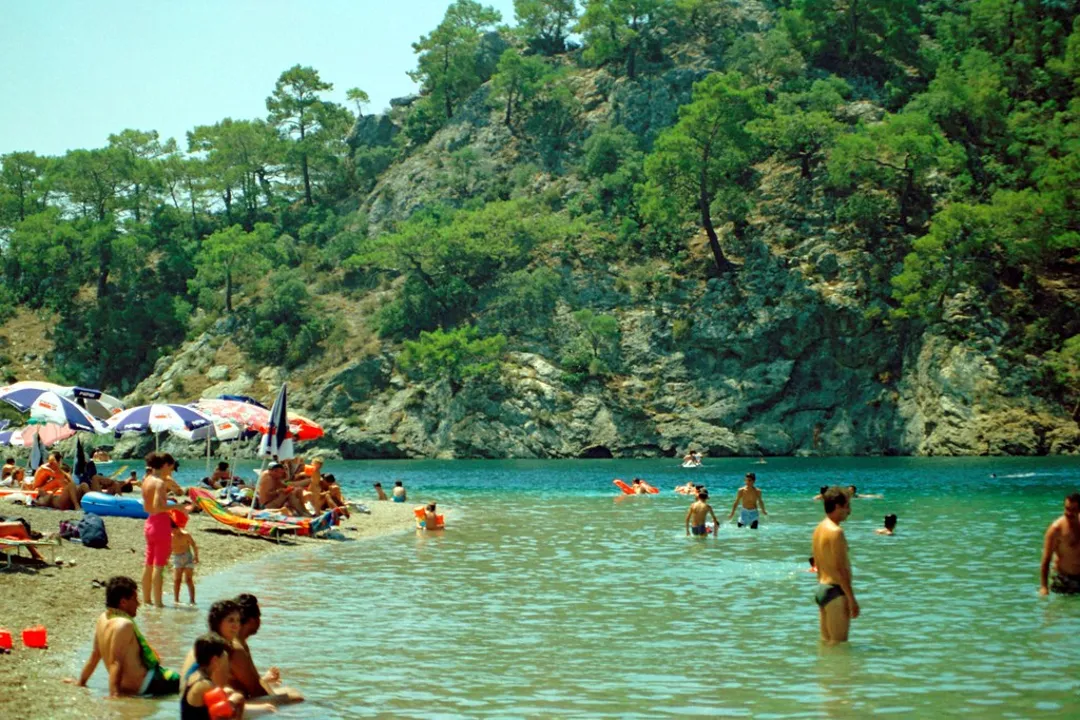
Kayaköy and the Lycian rock tombs around Fethiye add historical context to a coastal route. Knidos, at the end of the Datça Peninsula, requires substantial travel time but combines archaeology with a striking maritime setting.
Pamukkale is in neighboring Denizli Province, not Muğla. It can work as an onward trip, but it should not be described as a Muğla attraction or squeezed into a short coastal itinerary.
Adventure and Recreational Activities
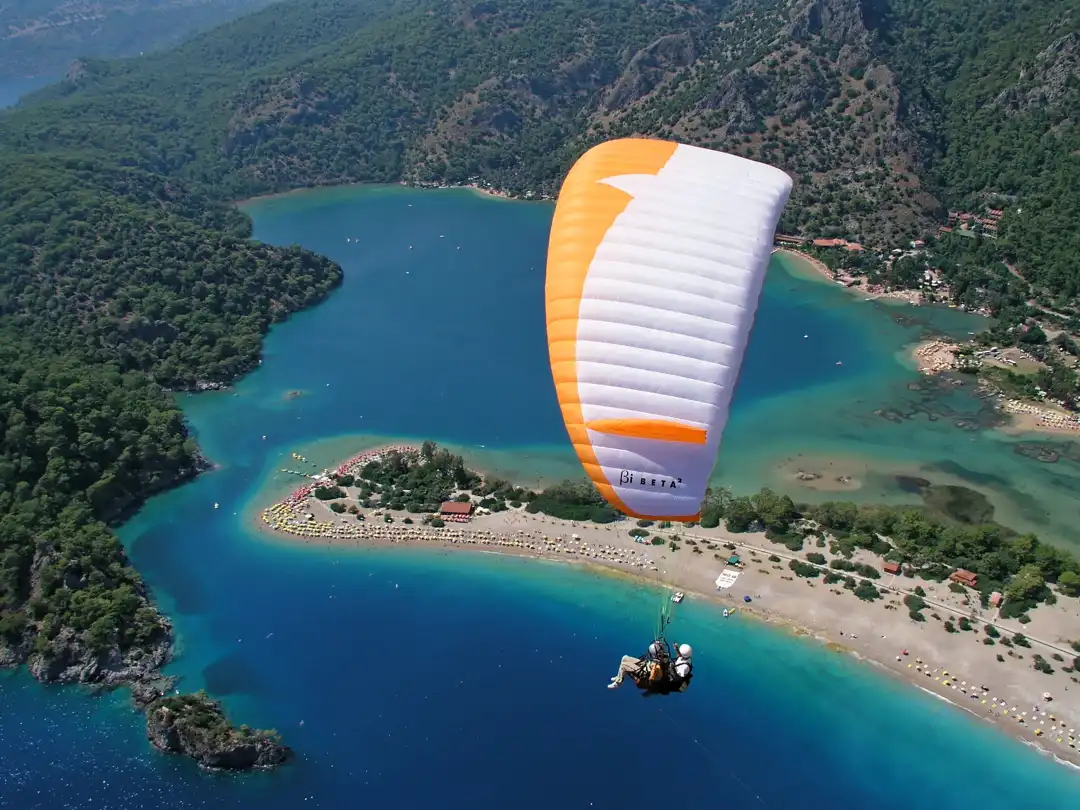
Paragliding above Ölüdeniz is one of the province’s best-known activities, but conditions and operator standards matter. Use a properly licensed operator, follow the weather decision, and keep loose items secured.
Snorkeling, diving, boat trips, and sea kayaking suit different confidence levels. Ask about equipment, insurance, group size, and cancellation rules before paying, especially when wind or sea conditions may change.
The Lycian Way and shorter local trails offer coastal views and archaeological stops. Start early in warm months, carry more water than expected, and choose a route that matches daylight, fitness, and available transport.
Nearby Destinations
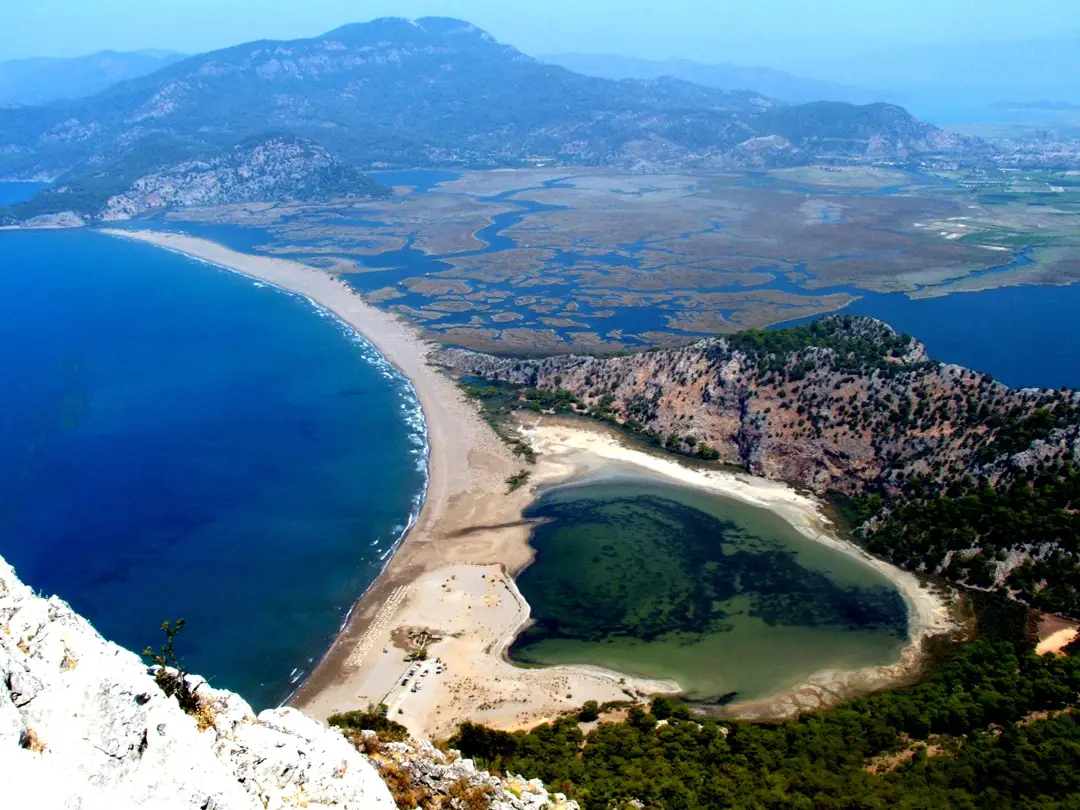
Dalyan combines reed-lined waterways, rock tomb views, and access toward İztuzu Beach. Akyaka offers Azmak River trips and distinctive local architecture, while Pamukkale is a longer onward journey into Denizli Province.
Across the Aegean, short multi-base trips depend on treating the transfer as a major part of the itinerary. A Greece 3-day itinerary pairs Athens and Santorini by flight or ferry; a Muğla trip of similar length is usually more comfortable within one coastal zone.
This comparison is useful when deciding whether to add another base: a new airport, ferry, or long road transfer can consume much of a short trip. Keep cross-border extensions for a separate itinerary unless schedules and overnight stops are already workable.
FAQ
1. How many days do you need in Muğla?
Allow three to five days for one coastal base; a wider province route usually needs a week or more.
2. Which airport is best for Muğla?
Dalaman often suits Fethiye and Marmaris, while Milas–Bodrum is more convenient for Bodrum and nearby northern resorts.
3. Do you need a car in Muğla?
Not for every resort, but a car is useful for remote bays and multi-stop routes with limited public transport.
4. When is the best time to visit Muğla?
Late spring and early autumn often balance warm weather with fewer peak-summer crowds.
5. Can you visit Muğla without staying in Muğla city?
Yes; many travelers stay in Bodrum, Fethiye, Marmaris, Datça, or another coastal town within the province.
Conclusion
Muğla rewards travelers who treat it as a region rather than one resort. Ancient sites, bays, villages, and outdoor activities are distributed across several coastal hubs.
Choose an airport and base that match your priority sights, then allow time for transfers and summer heat. Water, sun protection, suitable shoes, and offline directions improve day trips.
With a focused route and realistic pace, Muğla can combine archaeology, coast, culture, and nature without turning the holiday into a sequence of long drives.