
The Turkish Angora is a natural, semi-longhaired cat breed associated with Ankara, Turkey. It is known for a fine single coat, an athletic build, high activity, intelligence, and a strong interest in household life.
A Turkish Angora is not simply any white longhaired cat, and the breed occurs in many accepted colors. Prospective owners should evaluate pedigree, individual temperament, hearing information for white cats, veterinary care, and whether the home can provide daily play and vertical space.
This guide covers the breed's history, physical traits, social behavior, training, grooming, health, and ideal home. For readers researching the breed in Turkey, an iRoamly travel eSIM can keep maps, translation, and appointment details available during the trip.
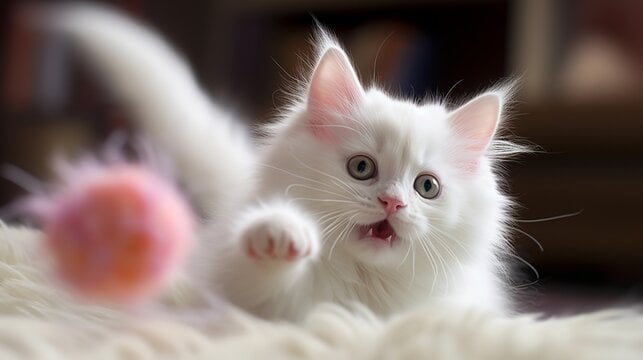
Historical and Cultural Significance
Breed Origins and Early Development
The breed takes its name from Ankara, Turkey, historically known in English as Angora. Longhaired cats from the region appeared in European records centuries ago, although many popular stories involving royal palaces or ancient empires are legends rather than documented breed history.
According to the breed history published by The International Cat Association (TICA), preservation efforts in Ankara helped protect the breed and laid the foundation for later breeding programs in North America.
Regional Connections and Cultural Heritage
Because of its origins in Ankara, the Turkish Angora has strong associations with Turkish culture and local history, making it one of the country’s most recognizable native cat breeds.
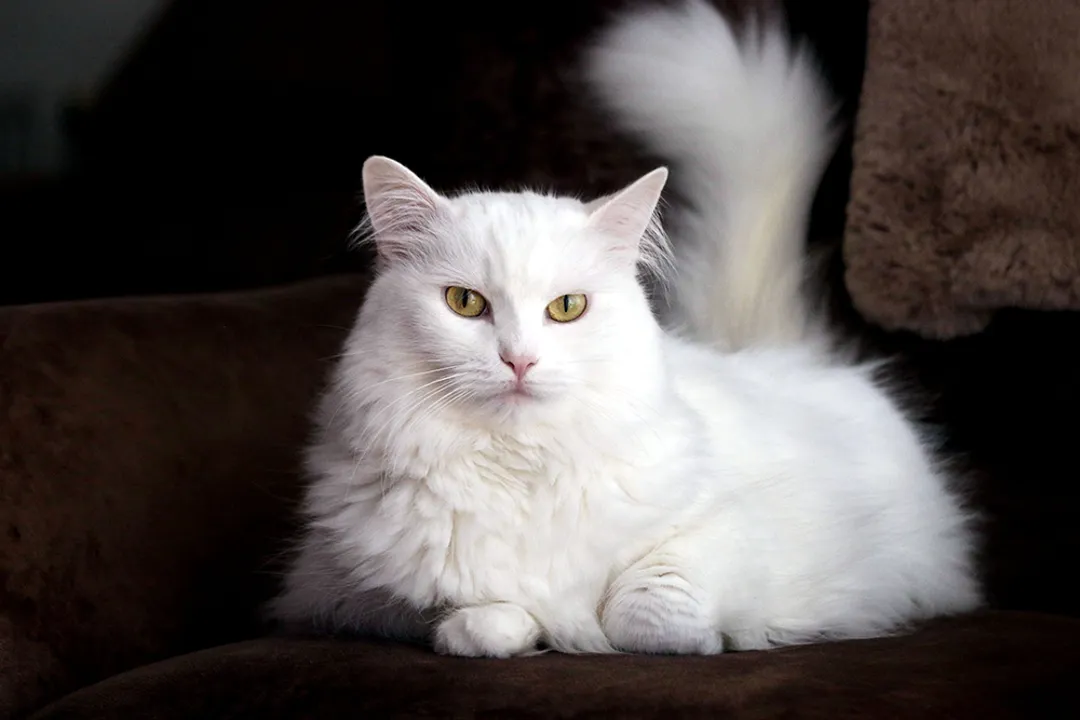
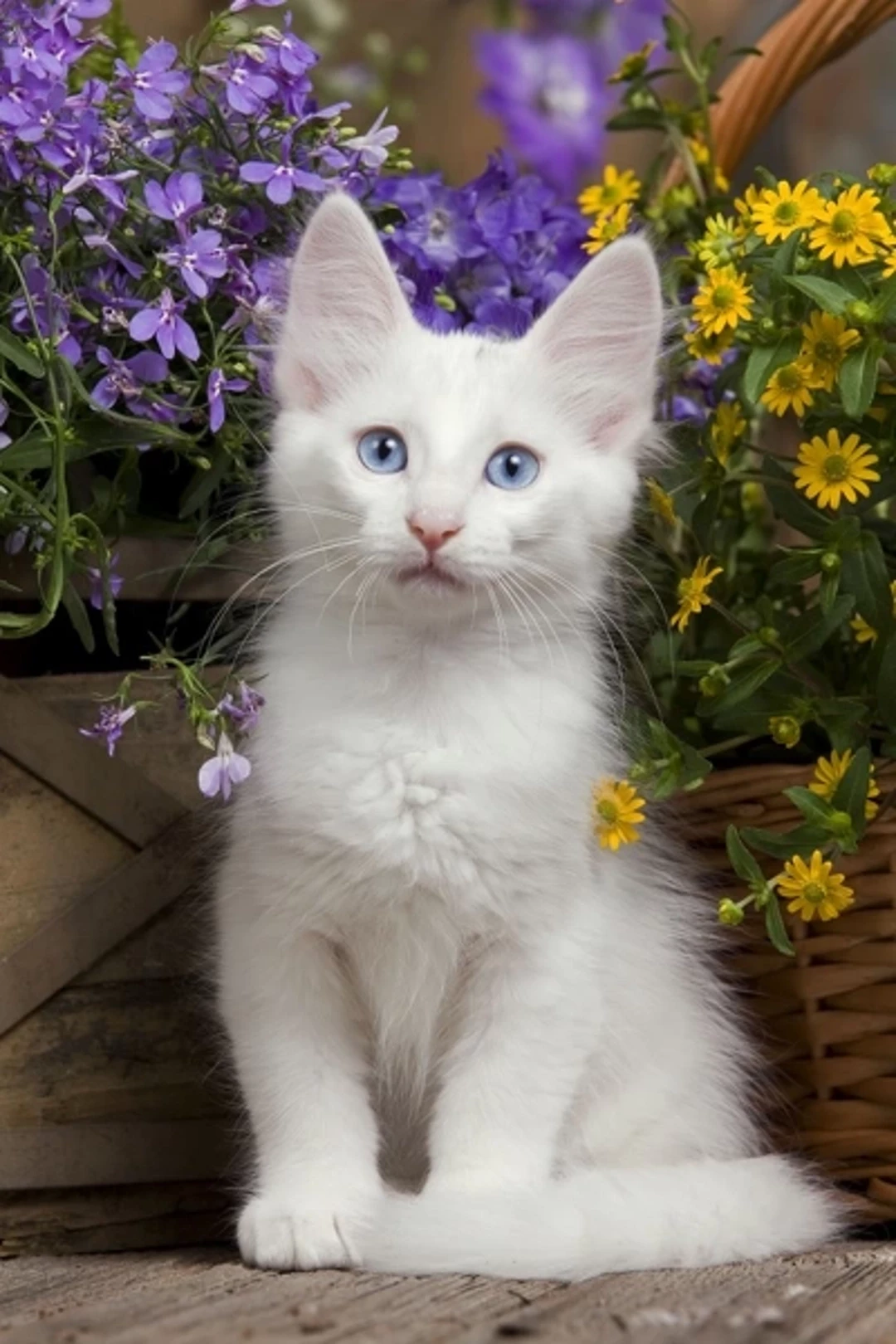
Although the white, odd-eyed appearance remains closely associated with the breed, modern standards accept a variety of traditional colors and patterns. Pedigree status ultimately depends on traceable ancestry and registration records rather than appearance alone.
Distinguishing Cultural Symbols from National Emblems
Countries assign symbolic meaning to animals in different ways. The national animals of the U.S. provide a useful example: both the bald eagle and the American bison hold officially recognized status as national symbols representing the country’s identity and values.
The Turkish Angora, by contrast, derives its significance from its historical origins, regional associations, and long-standing cultural recognition. Although it is a culturally representative Turkish breed, it has not been formally designated as an official national symbol.
Its significance is therefore different from that of officially recognized American national animals.
Detailed Breed Overview
Turkish Angoras are small-to-medium cats with a long, balanced, muscular body, a plumed tail, large upright ears, and almond-shaped eyes. The semi-long single coat is fine and silky rather than dense and woolly.
Trait | Typical tendency | What an owner should plan for |
|---|---|---|
Activity | High, agile, playful | Daily interactive play and climbing space |
Social style | People-oriented and involved | Regular attention and gradual introductions |
Coat | Fine, semi-long, single coat | Light combing with extra care during shedding |
Best fit | Active, enriched indoor home | Secure high places, puzzles, and predictable care |
These are breed tendencies, not guarantees. Genetics, early experience, health, age, and the home environment can all shape an individual cat's size, confidence, sociability, and activity.
Temperament and Social Traits
Many Turkish Angoras are lively, curious, and highly aware of what people are doing. They may follow family members, investigate cupboards, choose high resting places, and turn ordinary household activity into play.
That social reputation does not mean every Angora is a lap cat or immediately comfortable with visitors. Look for a temperament that fits the household, and let a new cat approach people at its own pace.
Turkish Angoras can live with respectful children and compatible pets, but supervision and slow introductions matter. Give each animal separate food, water, litter, hiding places, and escape routes during the adjustment period.
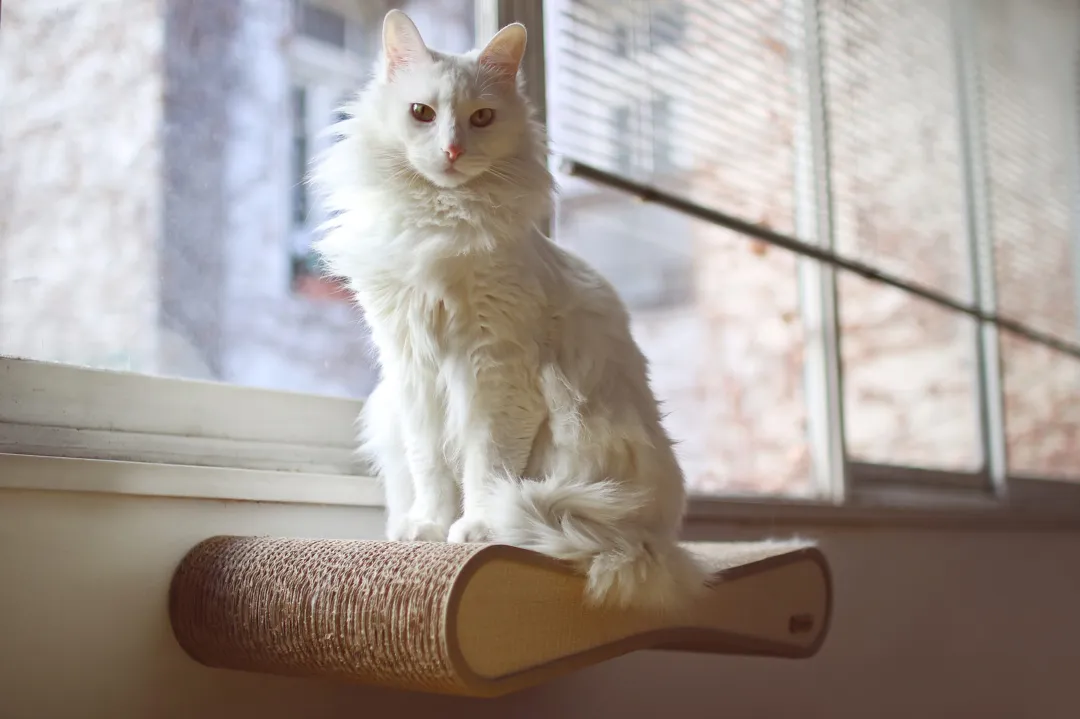
A bored, energetic cat may climb where it should not or demand attention. Rotate toys, add window views and vertical territory, and schedule short play sessions rather than expecting the cat to entertain itself all day.
Behavioral Training
Use positive reinforcement to teach practical behaviors such as coming when called, entering a carrier, accepting grooming, and stepping onto a scale. Keep sessions to a few minutes and stop while the cat is still engaged.
Food puzzles, target training, fetch, and wand-toy play can exercise both body and mind. If using a laser toy, finish with a physical toy or treat the cat can catch so the sequence has a clear ending.
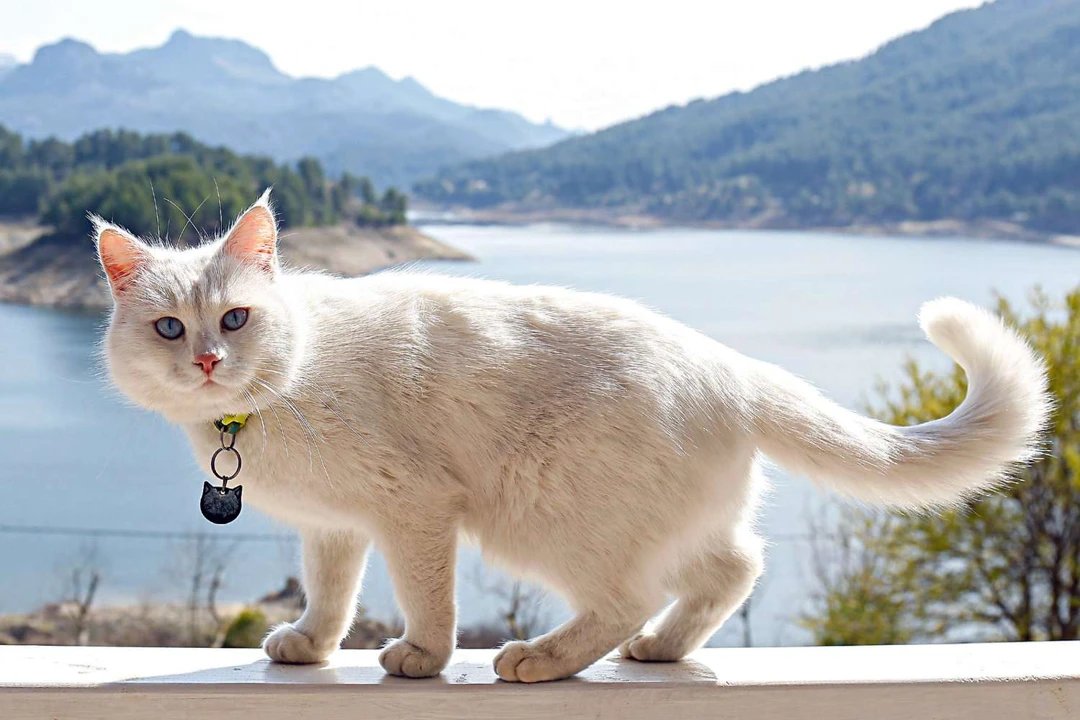
Introduce unfamiliar people, handling, carriers, and veterinary routines gradually. Pair each small step with rewards, and never force contact when the cat shows fear, flattened ears, a lashing tail, or attempts to leave.
Grooming and Maintenance
The fine single coat often mats less than a dense double coat, but grooming needs still vary. Comb gently about once a week and check the armpits, belly, and hindquarters more often during seasonal shedding.
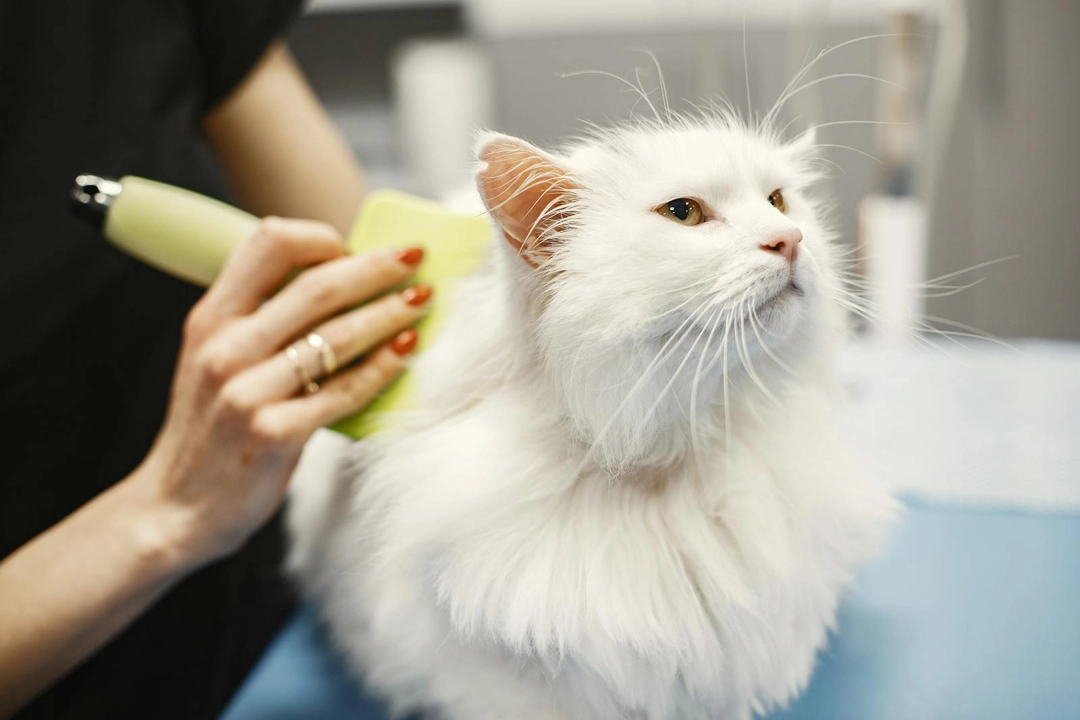
Trim nails as needed and introduce tooth brushing with a cat-safe toothpaste. Check the outer ears for odor, redness, discharge, or excessive wax; ask a veterinarian before using any cleaner, and do not insert cotton swabs into the ear canal.
Sudden coat neglect, greasy fur, skin irritation, or resistance to grooming can indicate pain or illness. Seek veterinary advice rather than treating a new problem as a cosmetic issue.
Detailed Health Management
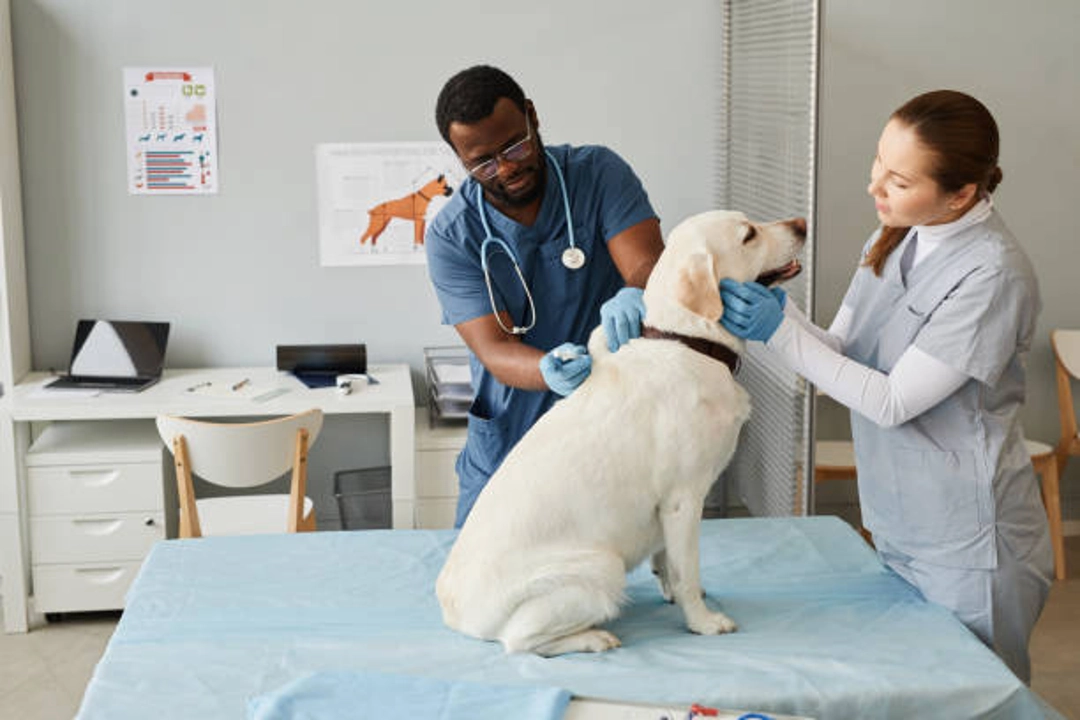
Turkish Angoras are not defined by one universal disease profile, but they still need routine examinations, vaccination, parasite control, dental care, suitable nutrition, and weight monitoring. Screening should reflect the individual cat and its family history.
1. Hearing
Inherited deafness is associated with some white, blue-eyed cats across breeds. Ask about hearing or BAER test results when choosing a white kitten, and discuss any concern with a veterinarian.
A deaf cat can still have a good quality of life in a secure indoor home. Visual cues, predictable routines, vibration, and protection from traffic or other outdoor hazards become especially important.
2. Heart Health
Hypertrophic cardiomyopathy, or HCM, is a thickening of the heart muscle and can occur in cats. It cannot be diagnosed from appearance or behavior alone.
Cornell's feline HCM guidance explains that veterinary evaluation can include examination, imaging, and other tests. Ask what cardiac screening is appropriate for the cat's family history and clinical findings.
3. Kitten Ataxia
A rare inherited ataxia has been reported in Turkish Angora kittens and causes severe coordination problems. Responsible breeders should discuss known family history and avoid breeding affected lines.
4. Dental and Weight Care
Dental disease and excess weight are common feline concerns rather than uniquely Turkish Angora problems. Regular oral checks, measured feeding, and active play support long-term health.
5. When to See a Veterinarian
Seek prompt assessment for breathing difficulty, fainting, sudden imbalance, appetite loss, persistent vomiting, or a major behavior change. This article cannot replace an examination or diagnosis.
Living Environment and Adaptation
An apartment can work well if it provides vertical territory, daily play, scratching surfaces, quiet rest areas, and secure windows. Floor area matters less than whether the cat can climb, explore, hide, and interact safely.
Turkey weather patterns vary by region and season, but the breed's origin should not be used to predict an individual cat's tolerance. Keep the home comfortable, provide fresh water, and seek urgent care for panting, weakness, or breathing distress.
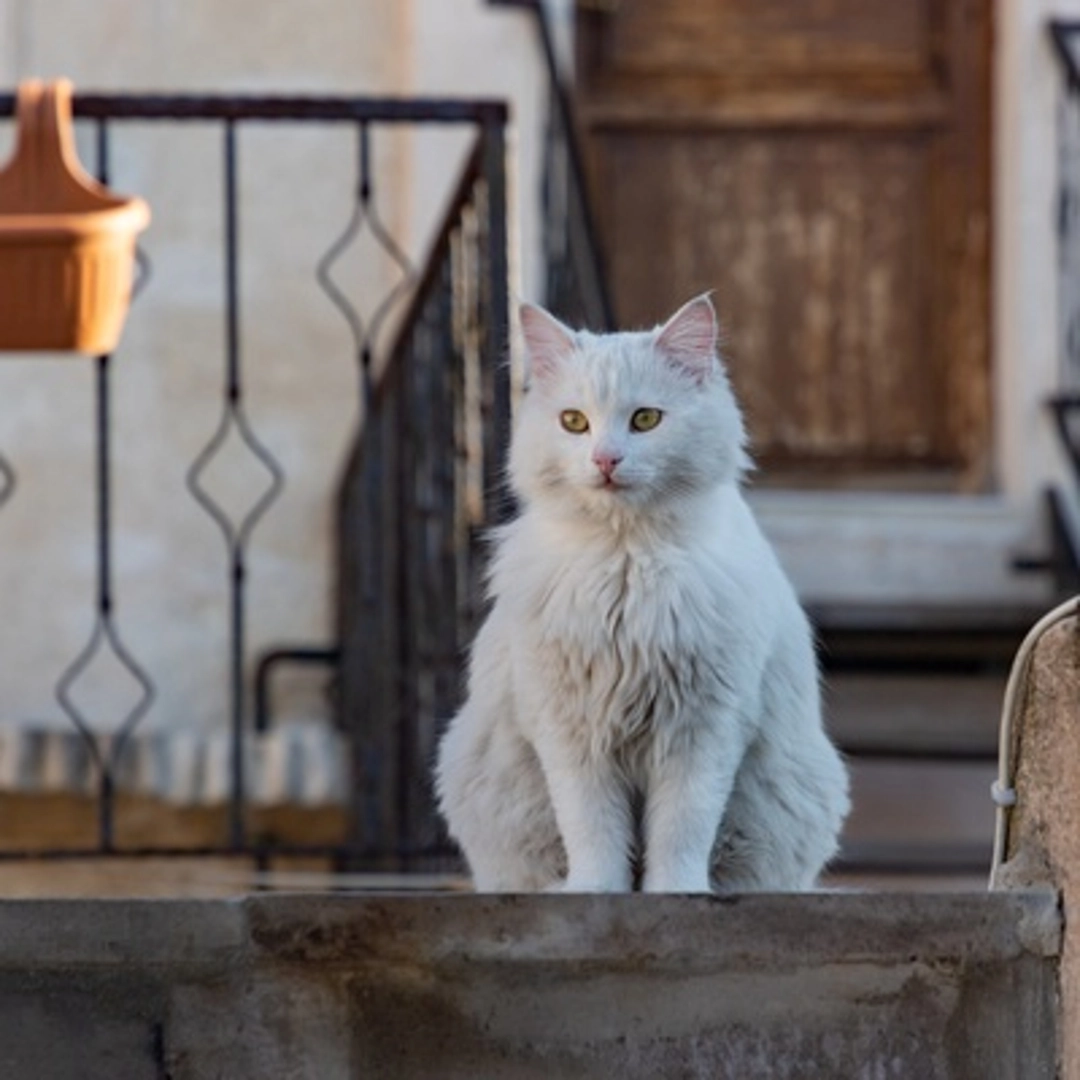
A secure indoor life, enclosed catio, or carefully trained harness walk reduces exposure to traffic, fights, parasites, and theft. Free roaming is not necessary to meet this active breed's needs.
Traveling With a Turkish Angora
Before a trip, confirm carrier, identification, vaccination, health-certificate, airline, and destination requirements with the relevant veterinarian and transport provider. Keep paper and offline copies of essential records in case connectivity is limited.
An iRoamly Turkey eSIM can keep maps, airline updates, and veterinary contacts available after arrival. Save critical documents offline as a backup rather than relying only on mobile service.
Pre-Adoption Fit Check
Review the commitments below with everyone in the household. A good match depends on daily care and environment, not the cat's coat color or photographs.
Decision area | Good-fit plan | Warning sign |
|---|---|---|
Daily activity | Several short play or training sessions | Long periods without interaction |
Home setup | Stable climbing areas, scratchers, and secure windows | No safe vertical space or quiet retreat |
Children or pets | Slow introductions and separate resources | Forced contact or no escape route |
Health records | Veterinary, hearing, and family-history information | Missing records or pressure to decide immediately |
Long-term care | Budget for routine, dental, and emergency care | Choosing mainly for appearance |
Before adopting, confirm who will provide play, grooming, feeding, litter care, veterinary visits, and emergency costs. Choose a breeder or rescue that answers health questions, shares records, and does not pressure an immediate decision.
FAQ
1. Are all white longhaired cats Turkish Angoras?
No. Breed identity depends on pedigree and breed standards, not coat color or appearance alone.
2. Do Turkish Angoras need daily brushing?
Usually not. Their fine single coat often needs regular light combing, with more attention during seasonal shedding or when an individual cat develops tangles.
3. Are Turkish Angoras good family cats?
They can suit active households that provide respectful handling, play, climbing space, and gradual introductions. Individual temperament remains the deciding factor.
4. Are white Turkish Angoras deaf?
Not all are, but inherited deafness is more associated with some white, blue-eyed cats. Ask about hearing history and BAER testing when relevant.
5. How active is a Turkish Angora?
The breed is typically agile, curious, and playful. Most benefit from daily interactive activity, vertical space, and problem-solving opportunities.
Conclusion
The Turkish Angora suits people who want an active, social, intelligent cat rather than a quiet decorative companion. Its fine coat is usually manageable, but daily engagement is essential.
Choose a responsible breeder or rescue, verify health and hearing information when relevant, and arrange regular veterinary and dental care. Let individual temperament guide the decision more than appearance alone.
With play, climbing space, gentle training, and consistent care, a Turkish Angora can become an involved household companion. When choosing one, prioritize documented pedigree, good health, and individual temperament over appearance alone.