
Japan does not observe daylight saving time. The entire country uses Japan Standard Time (JST), UTC+9, throughout the year, so clocks in Tokyo, Osaka, Hokkaido, and Okinawa do not move forward in spring or back in autumn.
The practical complication is overseas: when the United States, Canada, Europe, or another location changes its clocks, the time difference with Japan changes even though Japan's clock stays the same.
If you use live train schedules, flight updates, or calendar invitations while traveling, an Japan eSIM can keep those tools available after arrival. Save essential bookings offline too.
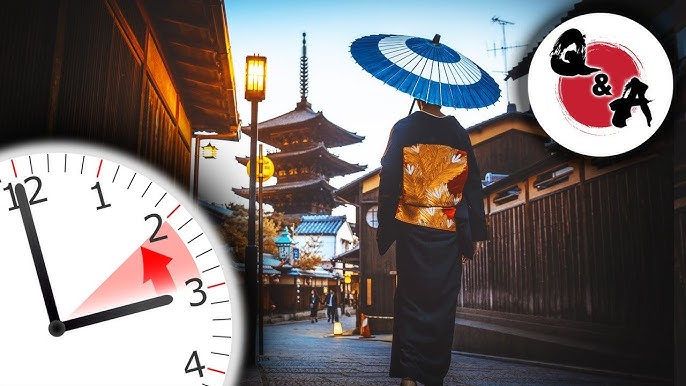
Does Japan Have Daylight Saving Time?
No. Japan remains on JST, or UTC+9, every day of the year. There is no seasonal clock change and no separate time zone for different islands or prefectures.
The Japan Standard Time definition maintained by NICT keeps the national clock nine hours ahead of UTC. A 10:00 train in Sapporo and a 10:00 appointment in Tokyo therefore use the same civil time.
Japan Used Daylight Saving Time in the Past
Japan did use a seasonal time system from 1948 through 1951 during the postwar occupation period. The system ended in 1952 and has not returned, although proposals have occasionally been discussed since then.

Why Japan Does Not Change Its Clocks
There is no single official reason that explains the modern policy. The short postwar experiment was unpopular, and later proposals have not gained enough political and public support to become national policy.
Claims that geography, energy savings, agriculture, or business efficiency alone decided the issue oversimplify the history. Japan has chosen the predictability of one national time standard, while debates over longer evening daylight and working hours have continued without producing a clock change.
How Japan's Time Difference Changes for Overseas Travelers
Japan's UTC offset stays fixed, but the offset at home may not. A calendar that shows a 9:00 meeting correctly in March may display a different local-hour relationship in November if the other country observes DST.
Use a time-zone-aware calendar instead of adding or subtracting a memorized number. This matters most for:
international flights and connection times;
remote work, interviews, and business calls;
ticket-release times stated in Japan time;
live events, sports, and online reservations;
calls with family in countries that change clocks.
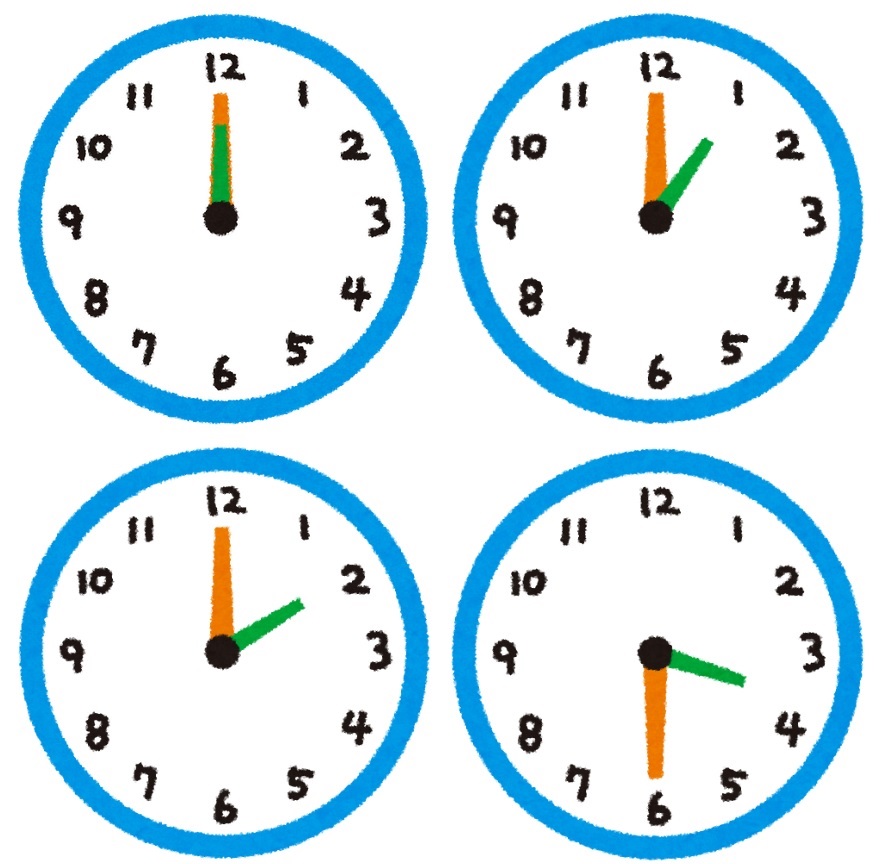
Across East Asia, a fixed national clock can simplify multi-country schedules even when UTC offsets differ. The China time zone remains UTC+8 without seasonal clock changes, so a Japan–China route keeps a one-hour civil-time difference while overseas DST changes can still alter calls home.
What This Means for a Japan Trip
Japan transport and reservations always use JST, but daylight, weather, and operator timetables still change with the season. Separate the fixed clock from those operational changes when planning each day.
Transport and Attraction Times Stay on JST
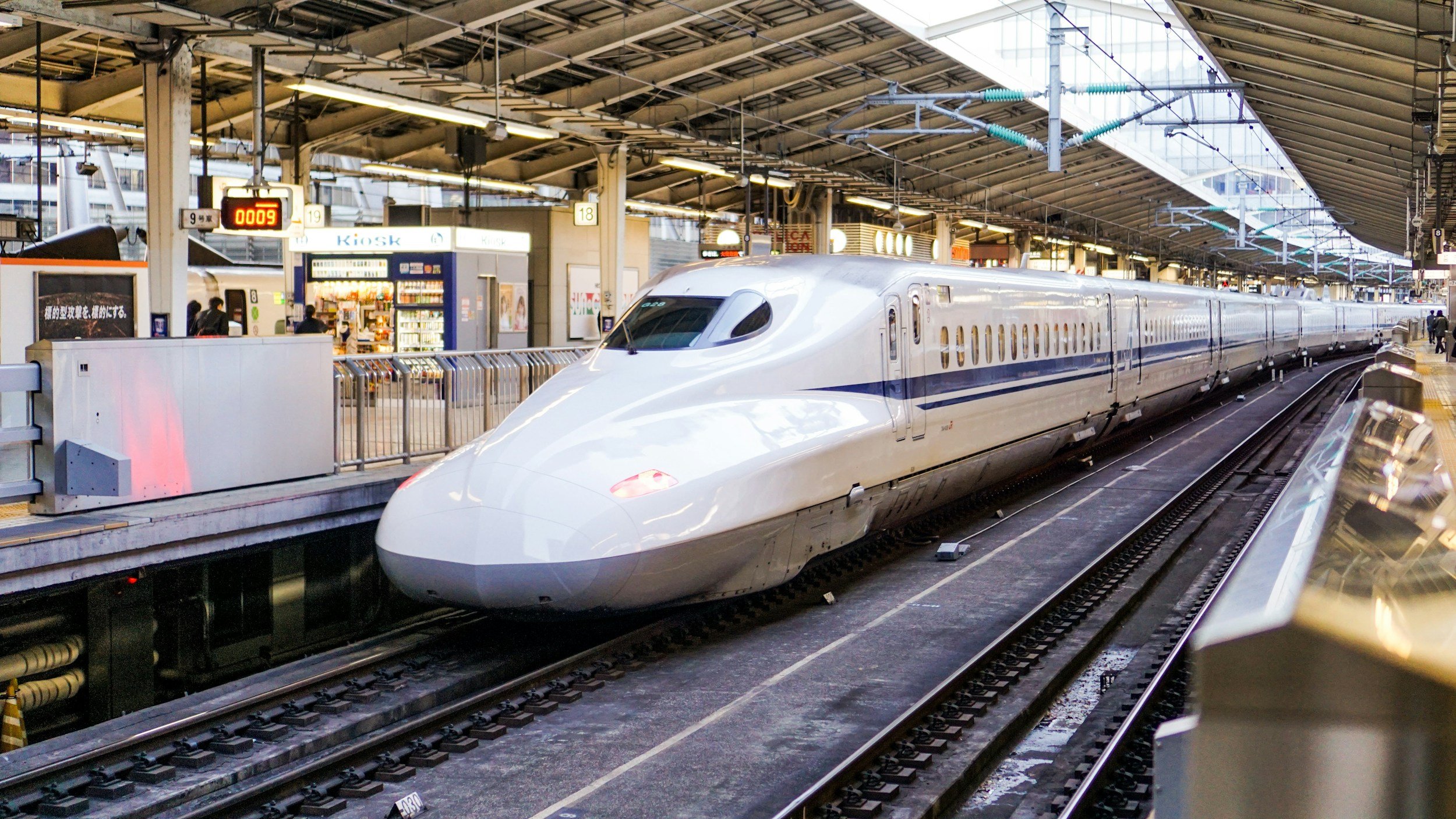
Domestic trains, buses, flights, hotels, and major attractions in Japan use JST all year. Seasonal timetable changes can still occur, but they are operational changes rather than DST.
Daylight Hours Still Change by Season
No clock change does not mean identical daylight. Northern Japan has larger seasonal daylight swings than Okinawa, and winter sunsets can affect hiking, photography, and rural bus plans.
During winter travel in Japan, put outdoor activities earlier in the day and confirm the last return service.
Phone and Calendar Settings Need Attention
Set the phone time zone to update automatically, but inspect important calendar invitations after landing. Some events are saved to a fixed UTC time, while others are attached to the organizer's local time zone.
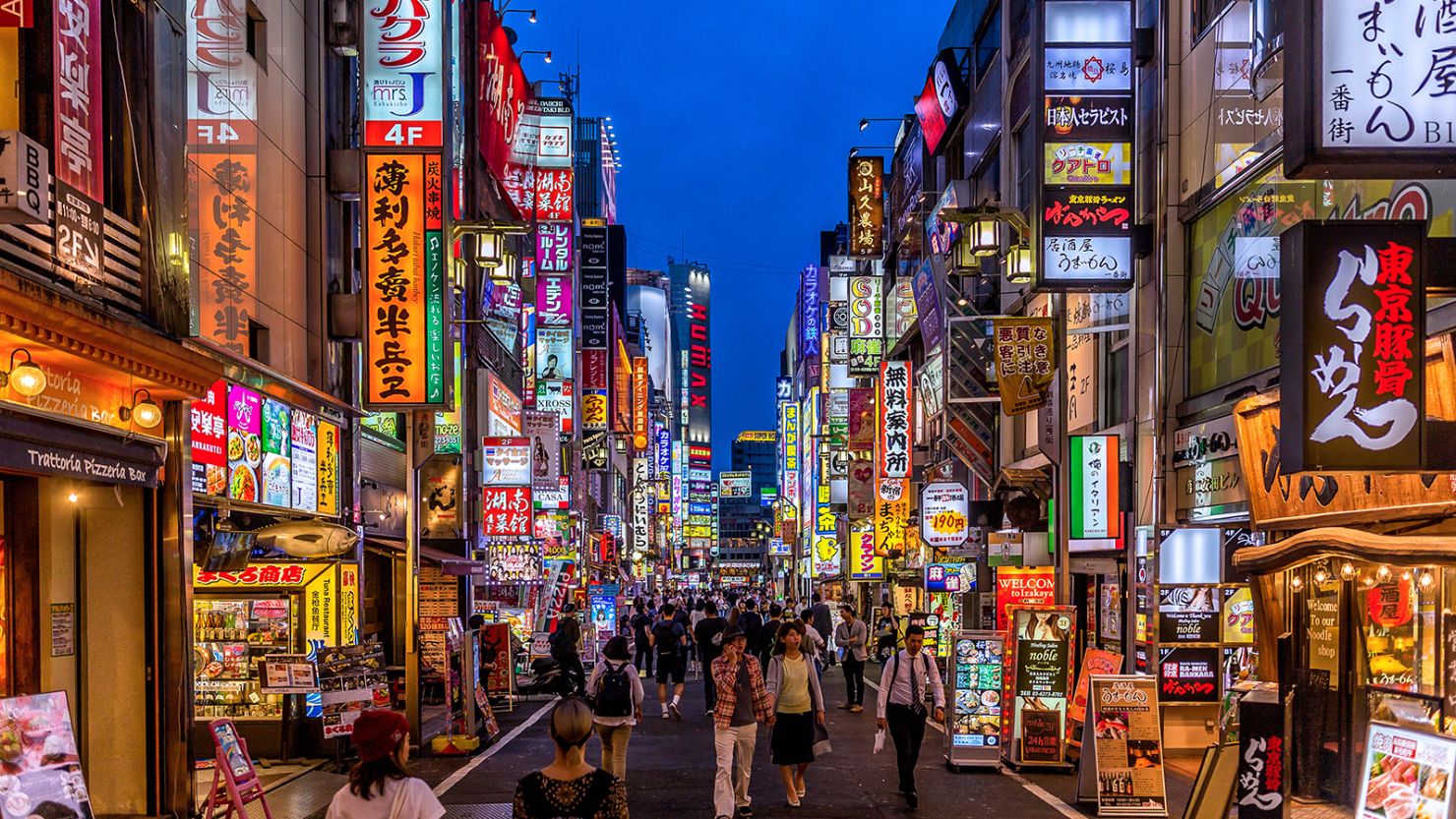
Connectivity Helps With Last-Minute Checks
Reliable mobile access supports live schedule checks, calendar updates, and messages across time zones. The iRoamly travel eSIM plans can be used before departure to compare connectivity options, while offline copies protect you if a signal is unavailable.
Arrival and Departure Times
Airline and airport displays use local JST, while a booking app may also show the departure city time for an international segment. Confirm the time zone label before setting alarms or arranging an airport transfer.
A guide to major airports in Japan can help match arrival points with regional transport without adding a nonexistent DST adjustment.
FAQ
1. What is Japan's UTC offset?
Japan Standard Time is UTC+9 throughout the year.
2. Does Tokyo change clocks in spring or autumn?
No. Tokyo and every other part of Japan remain on JST year-round.
3. Did Japan ever use daylight saving time?
Yes. Japan used it from 1948 through 1951, and the system ended in 1952.
4. Why does my time difference with Japan change?
Your home location may have entered or left daylight saving time. Japan's offset did not change.
5. Do train and flight times change because of DST?
No domestic clock adjustment occurs, but operators can revise seasonal schedules, so always check the current timetable.
6. Is all of Japan in one time zone?
Yes. From Hokkaido to Okinawa, official civil time is JST.
Conclusion
Japan does not have daylight saving time today. It stays on UTC+9 all year, which keeps domestic planning simple but can change the hour difference with countries that move their clocks.
Use time-zone-aware calendars for international commitments, plan outdoor time around actual sunrise and sunset, and verify live schedules instead of assuming seasonal daylight means a clock change.
Once every booking is labeled in JST and key conversions are saved, Japan's fixed national clock makes domestic travel straightforward in every season.